
Maintaining a car does not require advanced mechanical skills. With a few basic tips, every driver can ensure their vehicle runs smoothly and efficiently. Simple tasks like checking oil levels, monitoring tire pressure, and replacing air filters can save money on repairs and extend the life of a car.
Many drivers overlook routine maintenance, thinking they lack the expertise. However, learning these essential DIY maintenance tips can empower them to take control of their vehicle’s health. Regular checks and minor adjustments can lead to significant improvements in safety and performance.
This blog post will explore actionable maintenance tips that any driver can perform. By adopting these practices, he or she can become more knowledgeable about their vehicle and avoid unnecessary trips to the mechanic.
Essential Routine Car Maintenance Tasks
Routine car maintenance is crucial for the longevity and reliability of a vehicle. Understanding the owner’s manual, creating a maintenance checklist, and scheduling regular maintenance is key to effective car upkeep.
Understanding Your Owner’s Manual
The owner’s manual is an essential resource for any driver. It contains specific information about maintenance tasks, including recommended service intervals and fluid specifications. Each vehicle has unique requirements, such as the type of oil and tire pressure.
By familiarizing themselves with the manual, drivers can avoid common pitfalls. For instance, neglecting recommended oil changes can lead to engine issues. Additionally, the manual often outlines the maintenance schedule tailored to the vehicle’s make and model, which helps drivers stay on track.
Creating a Maintenance Checklist
A maintenance checklist serves as a practical tool for drivers to monitor their vehicle’s needs. This checklist should include tasks such as checking tire pressure, inspecting fluid levels, and examining brake pads.
A simple format might look like this:
- Oil Change: Every 5,000 miles
- Tire Rotation: Every 6,000 miles
- Brake Inspection: Twice a year
- Air Filter Replacement: Every 15,000 miles
Keeping this checklist updated ensures that no important task is overlooked. Regular reviews of the checklist can help drivers identify emerging issues before they escalate.
Scheduling Regular Maintenance
Regular maintenance involves timely service appointments to address identified tasks. Drivers should establish a routine to evaluate when services are due based on their checklist.
This could include setting reminders for oil changes, tire rotations, and brake inspections. Many professionals recommend a maintenance schedule that aligns with seasonal changes, as different weather can affect performance.
Scheduling maintenance not only helps in prolonging the vehicle’s life but can also enhance safety and efficiency. Timely interventions can prevent costly repairs down the line.
Engine and Fluid Checks Every Driver Should Know
Regular engine and fluid checks are crucial for vehicle longevity and performance. Knowing how to perform these checks can prevent costly repairs and enhance safety on the road.
How to Check and Change Engine Oil
To check the engine oil, start the vehicle on a level surface and turned off. Wait a few minutes for the oil to settle, then pull out the dipstick, wipe it clean, and reinsert it. Remove the dipstick again to check the oil level, which should be between the “minimum” and “maximum” marks.
For an oil change, gather the necessary tools: an oil filter wrench, a drain pan, and the right amount of new engine oil. After running the engine briefly to warm the oil, turn it off and let it cool. Remove the oil drain plug from the bottom of the oil pan, letting the old oil fully drain into the pan. Replace the drain plug, install a new oil filter, and refill with fresh oil according to the manufacturer’s specifications.
Inspecting Transmission and Brake Fluid
Checking transmission fluid requires the engine to be running and the transmission in park. Pull out the transmission dipstick, wipe it, and insert it back. The fluid should be red or pink and at the recommended level. Low or discolored fluid may indicate a leak or required service.
To check brake fluid, locate the reservoir, usually near the back of the engine bay. The fluid should be clear or light yellow. If it appears dark or below the “min” line, the fluid needs to be topped up or replaced. Use the manufacturer’s recommended fluid type to maintain braking efficiency.
Maintaining Engine Coolant and Power Steering Fluid
Engine coolant levels should be inspected when the engine is cool. The reservoir should have markings indicating the “low” and “high” levels. Coolant that appears rusty or has debris should be replaced. Always use the type specified in the vehicle’s manual to avoid engine damage.
Power steering fluid is critical for steering ease. To check it, locate the reservoir; it’s often marked with a steering wheel symbol. Assess the fluid level against the markings. If low, top it up with the recommended fluid. Dark or gritty fluid may need replacement to ensure smooth operation.
Checking Windshield Washer Fluid and Air Filters
Windshield washer fluid is vital for visibility during adverse weather. The reservoir is typically located near the engine bay. It should be filled with a proper washer fluid mixture, especially in colder months to prevent freezing. Additionally, on a related note, checking for cracks or chips in the windshield can also help prevent larger safety issues from developing. In such circumstances, windshield replacement columbia sc (or elsewhere) can be necessary to restore the vehicle’s integrity and ensure safe operation.
Air filters keep the engine clean and running efficiently. Checking the air filter is relatively simple. Locate it within the engine compartment, remove it, and inspect for dirt and debris. A clean filter promotes better fuel efficiency and engine performance. Replace it if it’s excessively dirty, following the vehicle owner’s manual for specifications.
Tyre and Brake Care for Safety and Efficiency
Maintaining optimal tyre and brake conditions is essential for both safety and vehicle efficiency. Regular inspections and proper maintenance can help prevent hazardous situations while also extending the lifespan of these critical components.
Correct Tyre Pressure and Tyre Checks
Maintaining the correct tyre pressure is vital for both safety and fuel efficiency. The recommended pressure is usually displayed on a sticker inside the driver’s door or listed in the owner’s manual.
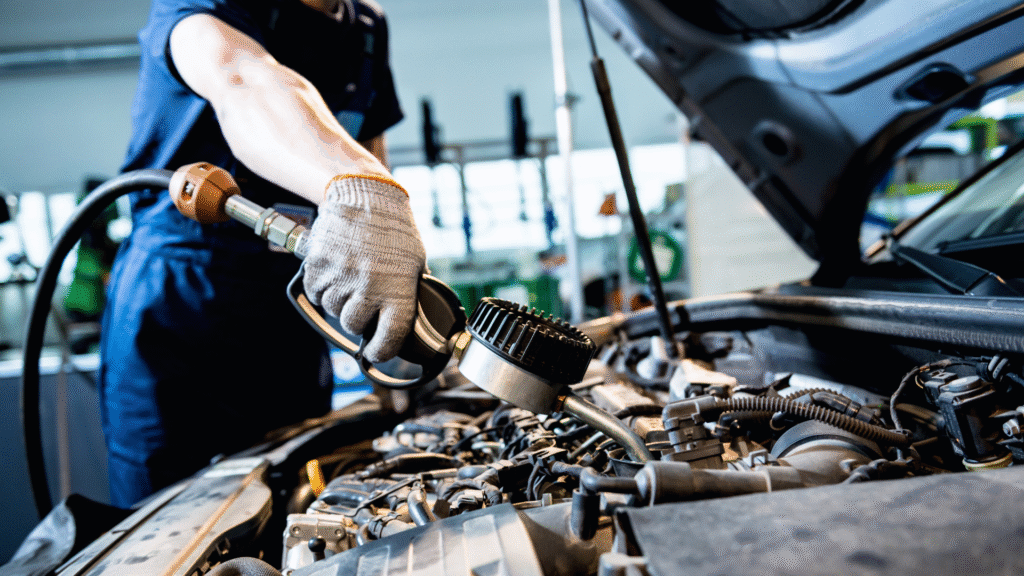
Using a reliable tyre pressure gauge, check your tyres when they are cold to obtain an accurate reading. Under-inflated tyres can lead to poor handling and increased tyre wear, while over-inflated tyres may result in a harsher ride and reduced traction.
In addition, regular tyre checks should include visual inspections. Look for cracks, bulges, or foreign objects embedded in the tread. Ensuring that tyre pressures remain at the recommended levels helps improve fuel efficiency and prolongs tyre life.
Monitoring Tyre Tread and Rotation
Tyre tread plays a crucial role in maintaining grip on the road. Drivers should regularly inspect tread depth using the penny test: insert a penny into the tread with Lincoln’s head facing down. If part of his head is covered, the tread depth is still acceptable. If not, it may be time to consider replacing the tyres.
Tyre rotation should typically occur every 5,000 to 8,000 miles, or as recommended in the vehicle’s manual. This practice helps ensure even wear across all tyres. As a result, frequent rotations can extend tyre lifespan and improve overall ride quality.
Following a regular rotation schedule also helps prevent uneven tread wear, which could otherwise lead to handling issues or premature replacements.
Understanding Tyre Tread and Replacement
Tyre tread is specifically designed to channel water, provide traction, and maintain stable vehicle handling. However, worn-out tread can significantly compromise safety, especially in wet or slippery conditions.
Replacement is generally necessary when tread depth falls below 2/32 of an inch. Drivers should also consider other factors such as tyre age and visible damage. Tyres older than six years should be carefully evaluated for replacement, even if they appear to be in usable condition.
Additionally, tread wear indicators can help determine when replacement is necessary. These indicators are small raised sections located within the tread grooves.
Once they become flush with the tread surface, it indicates that the tyres have reached their wear limit. At that point, purchasing all season tyres at tyres.co.uk (or similar sites) can help ensure continued safety, traction, and reliable vehicle performance.
Preventive Car Care and Warning Signs
Drivers can maintain their vehicles effectively by being aware of warning signs and following simple preventive measures. Recognizing dashboard alerts, caring for visibility components, monitoring electrical systems, and practicing good driving habits contribute to vehicle longevity and safety.
Recognizing Dashboard and Warning Lights
Dashboard warning lights serve as crucial indicators of a vehicle’s health. The check engine light is one of the most significant alerts, signaling potential engine issues. Other common lights may indicate low oil pressure, overheating, or problems with the braking system.
Drivers should refer to the vehicle’s owner’s manual to decode warning lights accurately. Ignoring these alerts can lead to severe damage and expensive repairs. Regularly scanning the dashboard can facilitate timely interventions, ensuring a safer driving experience.
Caring for Wiper Blades and Headlights
Clear visibility is essential for safe driving. Wiper blades should be inspected regularly for signs of wear, such as streaking or skipping across the windshield. Typically, they should be replaced every six months to a year.
Headlights must also be maintained. Dull or improperly aligned headlights can significantly reduce nighttime visibility. Drivers should clean the lenses and check alignment often. Replacing burnt-out bulbs promptly enhances safety during adverse weather conditions.
Monitoring Battery Voltage and Electrical Systems
A vehicle’s battery and electrical system require regular checking to prevent unexpected issues. Battery terminals should be free from corrosion, as buildup can interfere with functionality.
Using a multimeter, drivers can check battery voltage regularly. A healthy car battery typically reads between 12.4 and 12.7 volts at rest. If readings fall below this range, it may be time for a battery replacement. Keeping an eye on the electrical system ensures reliable vehicle performance.
How Good Driving Habits Prevent Unexpected Breakdowns
Driving habits play a crucial role in vehicle maintenance. Smooth driving, which minimizes hard braking and rapid acceleration, reduces stress on the engine and brakes.
Regularly checking tire pressure and maintaining proper inflation can significantly enhance fuel efficiency and tire lifespan. Additionally, adhering to routine maintenance schedules, such as oil changes and fluid checks, ensures the car remains in optimal condition.
Being aware of driving surroundings and avoiding potholes can prevent damage to the suspension and tires, reducing the risk of breakdowns.