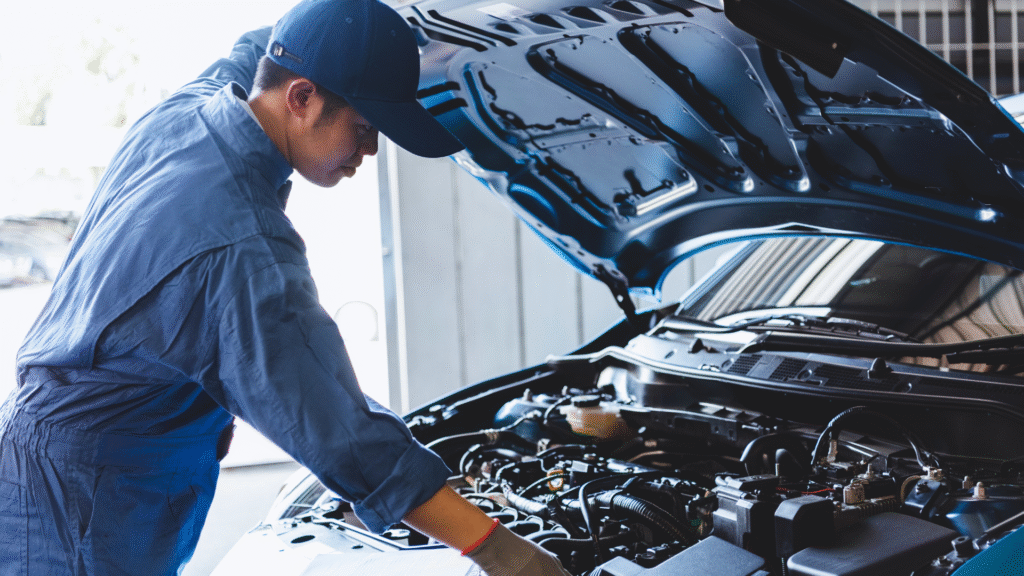

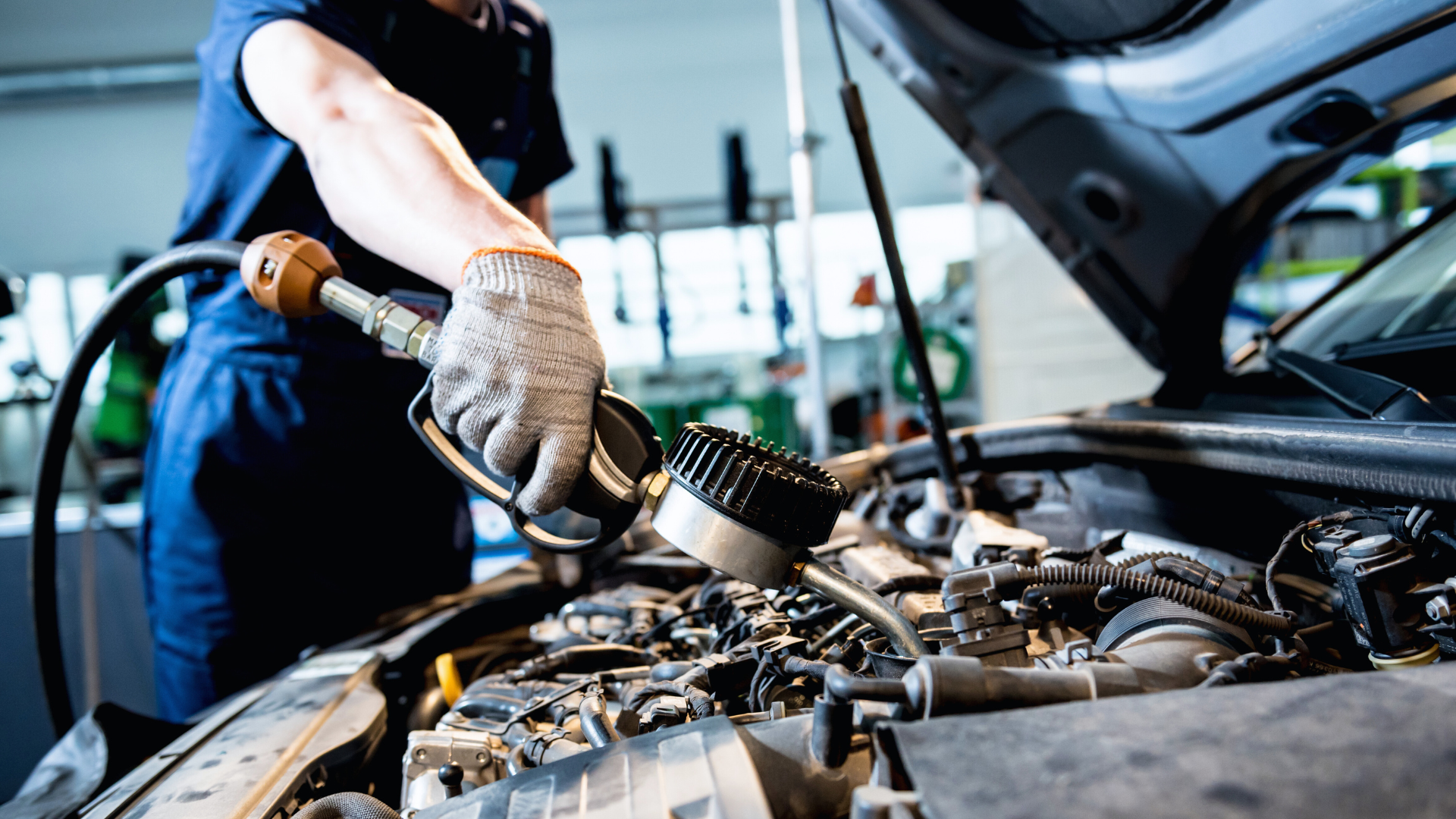
Many vehicle owners underestimate the importance of proper car maintenance, leading to costly repairs and decreased vehicle lifespan. Ignoring regular checks like oil changes, tire rotations, and brake inspections is one of the most common mistakes people make. These oversights can cause serious problems that affect safety and efficiency.
Another frequent error is relying too much on warning lights without performing routine maintenance. Waiting until a problem arises instead of following a scheduled maintenance plan means small issues can turn into larger, more expensive repairs. Understanding these common pitfalls helps drivers avoid unnecessary risks and expenses.
Critical Car Maintenance Mistakes
Failing to follow basic maintenance tasks can lead to costly repairs and reduced vehicle performance. Proper attention to oil, tires, and fluid management is essential to maintain engine health and safety.
Skipping Routine Oil Changes
Routine oil changes are vital to keep the engine oil clean and to lubricate moving parts effectively. Ignoring the oil change schedule leads to dirty oil, which increases engine wear and risks overheating.
Using the wrong oil type or extending intervals beyond manufacturer recommendations causes sludge buildup and reduces engine performance. Regular oil changes improve fuel economy and help maintain engine health.
Skipping this step may also void warranty coverage and cause expensive issues like engine seizing. Following the exact oil change schedule and using recommended oil types ensures long-term reliability.
Neglecting Tire Maintenance
Tire maintenance directly affects safety, fuel efficiency, and vehicle handling. Failing to check and maintain proper tire pressure leads to uneven tire wear and poor fuel economy.
Ignoring tire rotation and alignment accelerates tread wear and increases the risk of blowouts. Underinflated tires cause the engine to work harder, reducing fuel economy by up to 3%.
Regular tire inspections for damage, balancing, and replacing worn tires help prevent accidents. Maintaining tire pressure according to manufacturer specs optimizes fuel efficiency and improves drivetrain performance.
Ignoring Fluid Levels and Changes
Monitoring fluid levels—such as transmission fluid, coolant, and brake fluid—is critical to prevent mechanical failures. Low or dirty fluids cause overheating, slipping transmissions, and brake failure.
Transmission fluid should be checked regularly and changed per the service manual to avoid costly repairs. Coolant prevents engine overheating and protects against corrosion; neglecting changes risks engine damage.
Brake fluid absorbs moisture over time, reducing braking efficiency and safety. Keeping all fluid levels within recommended ranges maintains engine performance and supports preventative maintenance efforts.
Brake, Filter, and Warning Light Oversights
Ignoring brake issues can lead to serious safety risks. Overlooking routine air filter changes impacts engine efficiency. Failing to respond promptly to dashboard warnings may result in costly repairs or breakdowns.
Missing the Signs of Brake Problems
Brake systems require regular maintenance to function properly. Ignoring early signs such as squealing brakes, reduced responsiveness, or a spongy brake pedal can lead to complete brake failure. Brake pads wear down over time and must be inspected every 10,000 to 15,000 miles.
Brake fluid should also be checked during brake inspections. Contaminated fluid reduces braking power and may cause corrosion in the brake system. Replacing brake fluid every two years helps maintain system integrity and safety.
Forgetting to Replace Air Filters
Engine air filters prevent dust and debris from entering the combustion chamber, protecting engine performance. A dirty or clogged engine air filter reduces fuel efficiency, lowers power, and increases emissions. Most manufacturers recommend replacing engine air filters every 15,000 to 30,000 miles.
Cabin air filters also need attention. These filters clean the air entering the vehicle interior and affect HVAC system efficiency. Neglecting cabin air filter replacement can lead to poor air quality and unpleasant odors.
Disregarding Dashboard Warning Lights
Dashboard warning lights provide critical alerts about the vehicle’s condition. Ignoring the check engine light, for example, may allow engine problems to worsen, leading to overheating or reduced performance.
Warning lights related to brakes, oil pressure, or battery should never be dismissed. Promptly addressing these alerts through diagnostics and repairs prevents further damage and ensures safer driving.
Parts Quality and Manufacturer Guidelines
Choosing the right parts and following the manufacturer’s instructions are essential to keep a car reliable and safe. Ignoring these factors can lead to frequent breakdowns and costly repairs.
Using Incorrect or Low-Quality Parts
Using low-grade car parts often results in premature failure and safety risks. OEM parts, designed by the vehicle’s manufacturer, match exact specifications and tend to offer better performance and durability than many aftermarket parts.
Aftermarket options may be cheaper but vary widely in quality. Mechanics usually recommend avoiding unknown brand parts for critical components like brakes or engine parts. Installing incorrect parts can also void warranties or cause additional damage.
Routine inspections help identify when quality parts are needed, preventing escalating repair costs. Choosing reputable suppliers ensures parts meet safety and performance standards.
Overlooking the Owner’s Manual and Scheduled Maintenance
The owner’s manual contains detailed instructions on routine inspections and scheduled maintenance. Many problems arise when car owners skip this guidance or delay recommended services.
Scheduled maintenance includes oil changes, filter replacements, and system checks at specific mileage intervals. Neglecting these can reduce efficiency and increase wear on essential components.
Mechanics often spot issues during such services that the owner might miss. Following the manual helps maintain warranties and prolongs the vehicle’s lifespan by preventing avoidable faults.
Additional Costly Car Care Blunders
Certain overlooked car maintenance aspects can lead to rapid wear and expensive repairs. Addressing these with precise attention helps extend component life and maintain vehicle safety.
Ignoring Wheel Alignment and Rotations
Wheel alignment affects tire lifespan and vehicle handling. Misaligned wheels create uneven friction, causing bald spots and premature tire wear. This forces early tire replacement and increases fuel consumption.
Regular tire rotations distribute wear evenly, extending tire life and improving performance. Skipping these services can lead to uneven tread depth and loss of traction.
Proper alignment prevents suspension strain and reduces the risk of compressor failure in the air system due to increased resistance. Addressing wheel alignment every 10,000 to 15,000 miles is recommended for most vehicles.
Neglecting Battery and Lighting Systems
Battery terminals corrode over time, diminishing electrical flow. Failure to clean terminals and check battery health risks unexpected breakdowns.
Lighting systems, especially headlights, fade or malfunction when ignored. Dim or faulty headlights reduce visibility and compromise safety during night driving.
Regular inspections ensure batteries hold charge and electrical connections remain solid. Replacing bulbs promptly keeps lighting effective for signaling and road visibility.
Choosing the Wrong Fuel Grade
Using a lower octane fuel than recommended causes inefficient combustion and engine knocking. This can damage engine components and reduce performance.
Higher octane fuel supports engines designed for it, preventing premature wear. Choosing the wrong fuel is a common car maintenance mistake that costs in both repairs and fuel efficiency.
Owner manuals specify required fuel grades. Adhering to these guidelines avoids unnecessary stress on engine parts and maintains optimal operation.