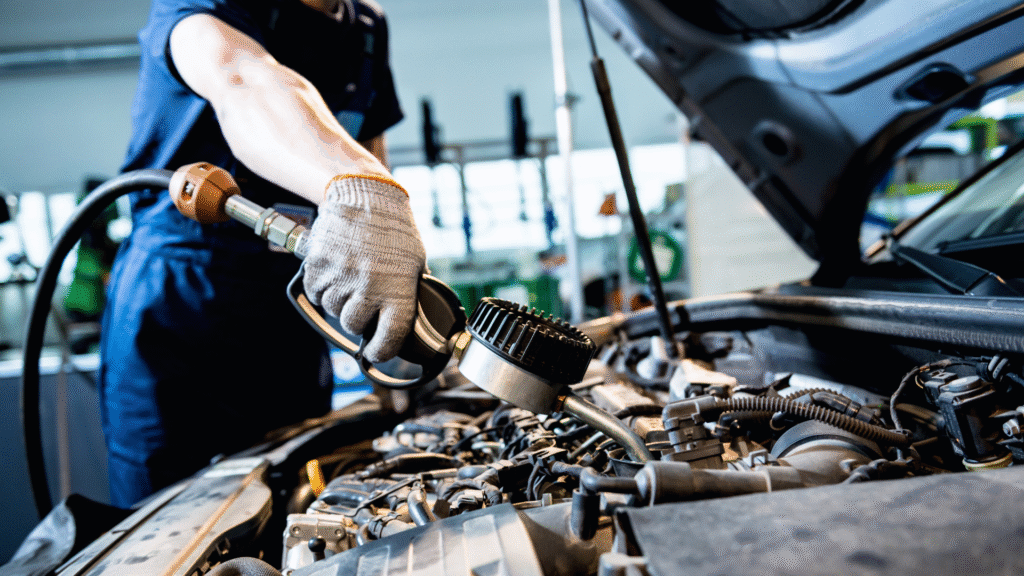

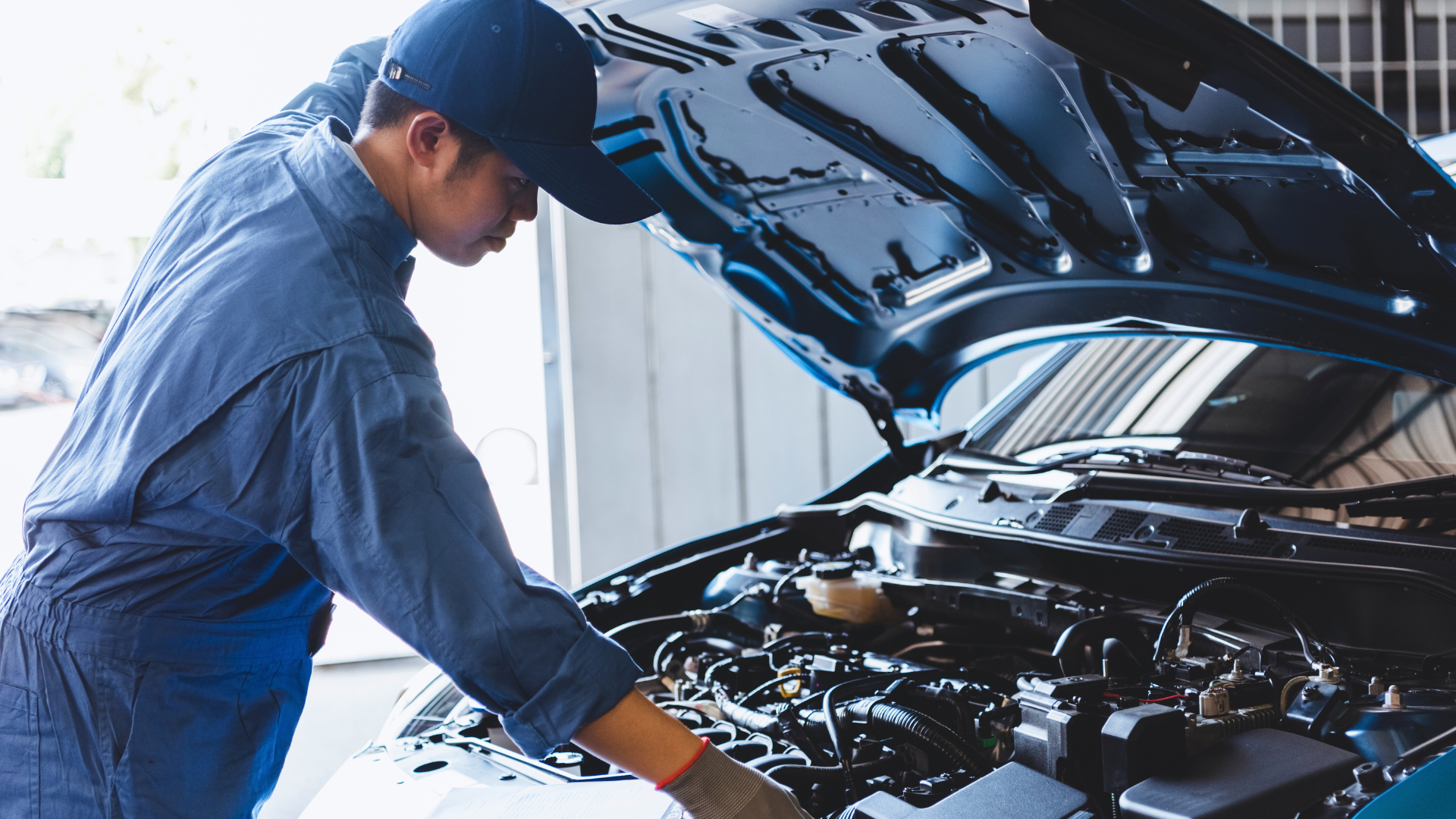
Regular vehicle inspections play a crucial role in maintaining the safety and reliability of any car. They help identify potential issues before they develop into costly repairs or dangerous failures on the road. Regular inspections ensure that vehicles meet safety standards, reducing the risk of accidents and breakdowns.
By detecting problems early, inspections save time and money for vehicle owners. They also contribute to environmental protection by keeping emissions under control, which is essential for meeting regulatory requirements.
Vehicle inspections offer peace of mind by confirming a car’s condition is sound. This routine check is an important part of responsible vehicle ownership that benefits both drivers and the community.
Core Benefits of Regular Vehicle Inspections
Routine vehicle inspections identify issues before they escalate, ensuring the car remains reliable and cost-effective. They provide tangible advantages in safety, maintenance, and operational costs.
Enhancing Vehicle Safety
Regular vehicle inspections focus on key safety components such as brakes, tires, lights, and suspension. Checking brake pad wear and fluid levels prevents failures that could cause accidents. Tire inspections maintain proper tread depth and air pressure, which are crucial for control and stopping distance.
Functioning headlights and signal lights improve visibility, reducing the risk of collisions in low light or adverse weather. Inspecting suspension ensures stable handling, which is vital for maneuvering and passenger comfort. These safety checks reduce the chance of mechanical failure while driving.
Preventing Unexpected Breakdowns
Routine car inspections uncover minor problems like leaks, worn belts, or electrical faults early. This allows drivers to fix issues before they cause a breakdown on the road. For example, identifying a failing alternator can prevent a sudden loss of power.
Inspections also verify fluid levels such as oil, coolant, and transmission fluid, which support engine performance and prevent overheating. Catching engine wear early through inspections reduces the risk of costly repairs and towing. Regular checks improve dependability by minimizing unexpected downtime.
Improving Fuel Efficiency
Vehicle inspections include evaluating engine condition, spark plugs, and air filters that impact fuel consumption. Dirty filters or misfiring spark plugs reduce engine efficiency, increasing fuel use. Replacing or repairing these parts during inspections restores optimal fuel economy.
Tire pressure checks also contribute to fuel efficiency. Properly inflated tires reduce rolling resistance, which lowers fuel consumption and extends tire life. Keeping the engine tuned and components clean helps maintain consistent fuel performance, saving money and reducing emissions.
Key Components Checked During Inspections
Vehicle inspections focus on critical parts that ensure safety, performance, and reliability. Key areas include tires, brakes, electrical systems, and fluid levels. Each plays a vital role in preventing breakdowns and accidents.
Tire Condition and Pressure
Inspectors assess tire tread depth to ensure adequate grip on the road, which is vital for safe handling and braking. Uneven wear may indicate alignment issues or suspension damage.
Tire pressure is checked against manufacturer recommendations, as incorrect pressure affects fuel efficiency, tire lifespan, and vehicle stability. Both overinflation and underinflation can lead to blowouts or poor traction.
They also look for cuts, bulges, and signs of dry rot. These defects increase the risk of sudden tire failure. Proper tire maintenance improves overall driving safety and vehicle control.
Brake System Evaluation
The brake system is inspected thoroughly, starting with the brake pads, which are checked for thickness and wear. Worn pads reduce stopping power and can damage rotors.
Brake fluid levels and quality are assessed to ensure proper hydraulic pressure. Contaminated or low brake fluid impairs braking efficiency. The brake lights and turn signals are tested to confirm visibility and function.
Brake rotors, calipers, and lines are examined for damage or leaks. Proper brake function is critical for accident prevention, making these checks essential.
Battery and Electrical Systems
Battery health is tested by measuring voltage and checking for corrosion on terminals. A weak or dead battery can cause startup failure or electrical issues.
The inspection includes headlights, brake lights, and turn signals to ensure all lighting functions correctly. Faulty lights reduce visibility and increase the risk of accidents.
Inspectors also check wiring and fuses to prevent shorts or power loss. Well-maintained electrical systems support vehicle safety and avoid unexpected breakdowns.
Monitoring Fluids and Filters
Fluid levels such as transmission fluid, engine oil, and brake fluid are checked for quantity and condition. Low or dirty fluids can damage engine components and reduce performance.
Air filters are examined for clogging and replaced when necessary. Clean filters improve fuel efficiency and reduce engine strain.
The timing belt is inspected for cracks or wear since failure can cause severe engine damage. Monitoring these fluids and filters helps maintain engine health and prolong the lifespan.
Long-Term Value and Compliance
Regular vehicle inspections contribute directly to preserving a vehicle’s condition and ensuring it meets all legal standards. These inspections influence how long a vehicle remains reliable, its potential resale price, and adherence to insurance and regulatory demands.
Extending Vehicle Lifespan
Routine inspections identify wear and tear early, helping prevent serious mechanical failures. Components like brakes, tires, and engine parts are monitored for signs of damage or deterioration.
Addressing small issues reduces stress on the vehicle’s systems, which prolongs its lifespan by maintaining optimal performance. Frequent checks help avoid costly repairs that result from neglected maintenance, keeping the vehicle operative longer.
Maximizing Resale Value
A well-documented history of regular inspections increases buyer confidence. Vehicles with clear maintenance records generally command higher resale prices than those without.
Buyers look for evidence that a car has been consistently cared for, minimizing future repair risks. Inspections help keep the vehicle in better cosmetic and mechanical condition, which positively affects resale negotiations.
Meeting Legal and Insurance Requirements
Regular inspections ensure vehicles comply with safety and emissions standards mandated by law. Failing to meet these requirements could result in fines or registration suspension.
Insurance policies often require up-to-date inspection certificates to cover claims. Meeting these requirements protects the owner’s investment and avoids penalties or denial of coverage during accidents.