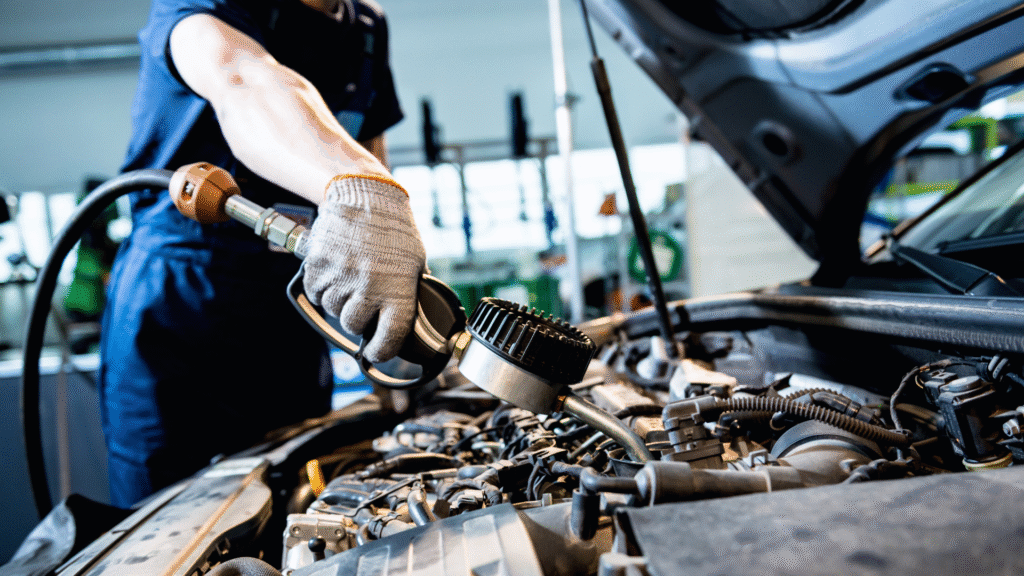

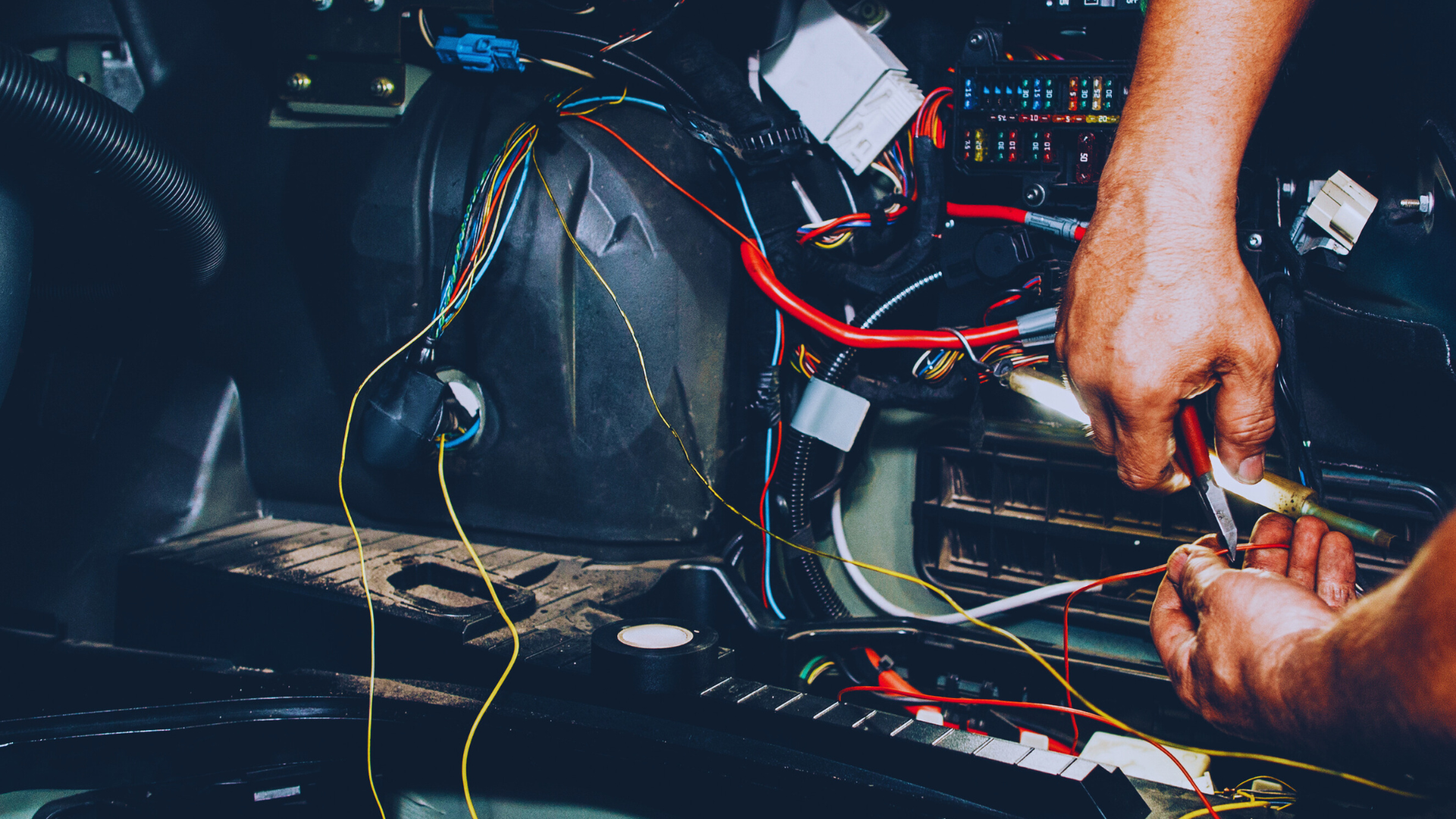
Car electrical problems can be frustrating and often lead to unexpected breakdowns. Being aware of the common electrical issues can help vehicle owners take proactive measures before they escalate. Understanding these problems and knowing when to consult an automotive technician is essential for maintaining vehicle reliability.
Common electrical problems include dead batteries, faulty alternators, and malfunctioning starter motors. Diagnosing car electrical problems quickly is crucial, as these issues can prevent a vehicle from starting or cause other electronic components to fail. Regular check-ups and maintenance can significantly reduce the likelihood of encountering such issues.
By learning about the typical symptoms and causes of car electrical issues, drivers can better prepare themselves. This knowledge empowers them to spot problems early and seek professional advice when necessary, ensuring a smoother driving experience. Recognizing the signs can save both time and money in repairs.
Understanding Car Electrical Systems
Car electrical systems are essential for the operation and functionality of modern vehicles. This section covers the main components of the electrical system, the role of the battery, and the importance of regular inspections.
Components of the Electrical System
The electrical system in a car consists of several key components, each playing a vital role. Primary elements include the battery, alternator, starter motor, fuses, and relays.
- Battery: Supplies the initial power to start the engine.
- Alternator: Recharges the battery and powers electrical systems while the engine runs.
- Starter Motor: Engages the engine to start it.
- Fuses and Relays: Protect the electrical circuits from overloads and direct current where needed.
Understanding these components helps in diagnosing issues that may arise. Regular checks ensure that each component functions as intended, preventing potential problems.
Role of the Battery
The battery is the heart of a car’s electrical system. It provides the necessary voltage to start the engine and powers electrical accessories when the engine is off.
A standard automotive battery is a 12-volt lead-acid type. It stores chemical energy, which is converted to electrical energy when needed.
Key responsibilities include:
- Starting the engine by supplying power to the starter motor.
- Operating lights, radios, and other electrical accessories.
- Acting as a voltage stabilizer, ensuring smooth operation of electrical components.
A weak or failed battery can lead to starting issues and electrical malfunctions.
Importance of Regular Inspections
Regular inspections of the car’s electrical system are vital for long-term performance and reliability. Inspections should focus on critical components.
Periodic checks can identify:
- Corrosion on battery terminals.
- Damage to wires and connectors.
- Failing fuses and relays.
Maintaining a schedule for electrical system maintenance reduces the risk of unexpected failures. A professional mechanic can perform comprehensive inspections, ensuring all components are functioning optimally. This proactive approach minimizes inconvenience and retains vehicle safety.
Common Signs of Electrical Issues
Electrical issues in vehicles can manifest in various ways. Recognizing these signs early can prevent further complications and costly repairs.
Warning Lights and Dashboard Signals
Many vehicles feature warning lights on the dashboard to indicate potential problems. The battery warning light is particularly significant, as it may signal issues with the battery, alternator, or wiring. If this light illuminates, it is crucial to address it promptly to avoid being stranded due to a dead battery.
Other dashboard signals, such as malfunctioning lights for the engine or brakes, should not be ignored. Responses to these signals may require diagnostics to pinpoint the issue. Regularly monitoring dashboard indicators helps maintain awareness of the vehicle’s electrical health.
Dim or Flickering Lights
Dim or flickering lights can indicate underlying electrical problems. When headlights or interior lights appear less bright than usual, this may point to a failing battery or alternator. A weakening battery may not provide adequate power, leading to insufficient brightness.
Flickering lights can also suggest loose connections or faulty wiring. Inspecting the light fixtures and their connections may identify loose terminals or corrosion. Addressing these issues early can prevent further electrical system failures.
Unexpected Battery Discharge
Unexpected battery discharge is a common electrical problem faced by drivers. A battery may seemingly be functioning, yet it can lose charge rapidly due to various factors. Leaving headlights on or having a malfunctioning alternator can contribute to this issue.
In some cases, parasitic draws from electronic components can drain the battery while the vehicle is off. It’s advisable to check for any electrical accessories that may remain active unintentionally. Routine battery maintenance, such as ensuring clean terminals and correct charging, can help mitigate these problems.
Troubleshooting and Diagnosis
Effective troubleshooting and diagnosis of car electrical issues involve a systematic approach. This includes visual inspections, using diagnostic tools, and interpreting diagnostic trouble codes (DTCs) to identify and resolve problems efficiently.
Visual Inspection Techniques
A visual inspection is the first step in diagnosing car electrical issues. Technicians should check for loose wires, damaged connectors, and signs of corrosion. A thorough examination of the battery, fuses, and relay connections is essential.
Inspect the ground wires for secure connections. Ground issues can lead to poor performance or malfunctioning equipment. Checking for short circuits is also crucial. Signs may include burnt insulation or melted wires. Careful observation can reveal issues that require further investigation.
Using Multimeters and Diagnostic Tools
Multimeters are invaluable for diagnosing electrical problems in vehicles. They can measure voltage, current, and resistance, which helps identify faults. A multimeter can quickly determine if a component is receiving power.
Using diagnostic tools enhances troubleshooting. OBD-II scanners can retrieve DTCs from the vehicle’s computer. This information is crucial for pinpointing specific issues with sensors, wiring, or control modules. Technicians should know how to navigate these tools to interpret data accurately.
Interpreting Diagnostic Trouble Codes
DTCs provide essential information for troubleshooting electrical issues. Codes are alphanumeric and can indicate specific malfunctions within the system. Understanding these codes helps in narrowing down potential problems.
For example, a code like P0131 signifies an issue with the oxygen sensor. Technicians should refer to manufacturer guidelines for code interpretation. Each vehicle may have a different set of codes, making it essential to have access to updated diagnostic resources to aid in accurate troubleshooting.
Preventing and Addressing Electrical Problems
Proper maintenance can significantly reduce the likelihood of electrical issues in a vehicle. Addressing potential problems early ensures better engine performance and reliable starting. Here are critical areas to focus on for prevention and effective troubleshooting.
Regular Battery Maintenance
Maintaining the battery is essential to prevent starting issues. Regular checks should include:
- Clean Terminals: Corrosion can hinder connectivity. Cleaning terminals ensures optimal power transfer.
- Check Voltage: Testing the battery voltage helps identify weaknesses before they affect performance.
- Fluid Levels: For non-sealed batteries, maintaining proper electrolyte levels is crucial for function.
Performing these tasks at regular intervals reduces the chance of unexpected battery failure and enhances the life of the battery. Ensuring that the battery is secure also prevents movement that can lead to wear on connections.
Detecting Wiring and Circuit Issues
Wiring problems can cause various electrical failures, impacting the vehicle’s performance. Effective detection involves:
- Visual Inspections: Look for frayed wires, loose connections, or burnt areas on wiring harnesses.
- Testing Circuits: Use a multimeter to check for continuity and detect faults in circuits.
- Signs of Damage: Warning lights, electrical malfunctions, or intermittent failures often indicate wiring issues.
Addressing these problems early is crucial. Faulty wiring can lead to more significant issues, including complete electrical failure. Regularly scheduled checks help identify these problems before they escalate.
When to Seek Professional Assistance
Not all electrical issues can be resolved without expert help. Seeking professional assistance is critical when:
- Complex Problems: Issues involving the vehicle’s central computer or intricate wiring systems require advanced troubleshooting.
- Persistent Symptoms: If problems persist after basic maintenance, professional diagnostics may be necessary.
- Time Constraints: Professionals can often resolve issues more swiftly, minimizing downtime and ensuring reliable performance.
Relying on professionals for intricate electrical issues ensures safety and accuracy. Neglecting to seek help may lead to costly repairs down the line.