
Cleaning and detailing a car goes beyond simple aesthetics; it plays a critical role in maintaining the vehicle’s value and lifespan. Regular cleaning and detailing from trusted companies such as floridasudz.com can prevent rust and corrosion, improve air quality, and enhance the driving experience. From the exterior wash to the interior vacuuming, each step contributes to a comprehensive approach that ensures the car remains in optimal condition.
Many car owners overlook the importance of detailing, thinking that a quick wash is sufficient. However, detailing involves systematic cleaning, polishing, and protecting various surfaces, which preserves the car’s finish and interior materials. Understanding the specific techniques and products needed for effective detailing can make a significant difference.
As car enthusiasts know, a well-maintained car not only looks better but also performs better. Investing time in cleaning and detailing can lead to a more enjoyable driving experience and a higher resale value down the road. It’s an essential practice that any car owner should consider to keep their vehicle in top shape.
The Essentials of Car Cleaning
Cleaning a car effectively requires the right products and techniques. Understanding how to choose products and properly wash a vehicle is crucial for maintaining its appearance.
Choosing the Right Cleaning Products
Selecting appropriate cleaning products can significantly affect the car’s finish. Car shampoos are specifically formulated to remove dirt without stripping the car’s wax. An all-purpose cleaner is beneficial for interior surfaces.
Key products include:
- Microfiber Towels: Ideal for drying without scratching the paint.
- Wash Mitts: A microfiber mitt is preferable for applying soap gently.
- Pressure Washer: Useful for rinsing off dirt from hard-to-reach areas.
Avoid using household cleaning products, as they may contain chemicals that can damage the vehicle’s surfaces. Always check labels to ensure product compatibility with your vehicle’s materials.
Hand Washing Techniques
Hand washing is the most effective way to ensure a thorough cleaning. The two-bucket method is a recommended technique to prevent scratching. One bucket should contain soapy water with car shampoo, while the other is for rinsing the mitt.
To wash the car:
- Start from the top and work downwards.
- Use a snow foam pre-wash to loosen grime before the main wash.
- Rinse the mitt frequently to avoid transferring dirt back onto the car.
After washing, using a microfiber towel for drying is essential. It prevents water spots while being gentle on the surface. Regular hand washing not only maintains the car’s aesthetics but also protects the finish from prolonged exposure to contaminants. However, for those times when the car needs intensive cleaning or has stubborn contaminants, it can be better to visit a Northern Light Carwash, or similar service. Combining professional cleaning with regular DIY maintenance can help preserve the value and appearance for a long time.
Advanced Exterior Detailing
Advanced exterior detailing involves meticulous processes aimed at enhancing and protecting a vehicle’s surface. Two key aspects are decontamination and sealing or waxing, which are vital for maintaining a car’s appearance and integrity. They can be carried out by professionals from companies like Dennis Auto Details, who tend to be experienced in removing stubborn contaminants, restoring paint clarity, and applying protective coatings that extend the life of the vehicle’s finish.
Decontamination Processes
Decontamination is the foundation of effective exterior detailing. It involves removing various contaminants that can damage paint and diminish aesthetics. Common contaminants include road grime, tree sap, and industrial fallout.
A clay bar is essential for this process. It helps lift embedded particles from the paint surface, leaving it smooth. Following the clay treatment, products like iron remover and bug and tar remover tackle specific residues.
Properly decontaminating a vehicle helps prepare the surface for further treatments. This process also enhances the efficacy of sealants and waxes, ultimately leading to better protection and shine.
Sealing and Waxing for Protection
After decontamination, applying a sealant or wax is crucial for protecting the paint. Carnauba wax is a popular choice, offering deep gloss and hydrophobic properties. It creates a barrier against UV rays and environmental contaminants.
Paint sealants provide longer-lasting protection compared to wax. They bond with the paint surface, ensuring durability. For enhanced protection, ceramic coatings are an option. These coatings offer superior resistance to scratches and enhance water beading. Additionally, owners can also turn to high quality vinyl wraps from It’s aWrap, or similar firms, to completely transform their vehicle’s look while adding a layer of defense. This can help personalize the car as well as maintain the underlying paint in showroom condition.
Applying tire dressing and wheel cleaner further enhances the vehicle’s overall appearance. This attention to detail ensures a comprehensive approach to exterior care, contributing to the longevity of the vehicle’s finish.
Interior Maintenance and Cleaning
Maintaining the interior of a car is crucial for both aesthetics and hygiene. Effective cleaning practices ensure upholstery and dashboards remain in excellent condition while reducing potential allergens.
Caring for Upholstery and Carpets
To maintain upholstery and carpets, using specialized cleaning products like upholstery cleaners and carpet cleaners is essential. These products effectively remove stains and dirt from various materials, including fabric and leather.
Steps to clean upholstery and carpets:
- Vacuum thoroughly to remove loose dirt and debris.
- Apply a suitable upholstery cleaner to targeted stains.
- Use a microfiber cloth to gently blot and lift stains, avoiding rubbing to prevent damage.
- For carpets, consider a deep cleaning approach with a steam cleaner for a more thorough job.
Always test products on a small, inconspicuous area to prevent discoloration. Regular maintenance can significantly extend the life of upholstery and carpets.
Cleaning Dashboards and Glass Surfaces
Dashboards and glass surfaces require specific attention to keep them clean and clear. It’s best to use a glass cleaner for windows and mirrors alongside a suitable dashboard cleaner for the interior surfaces.
Recommended cleaning method:
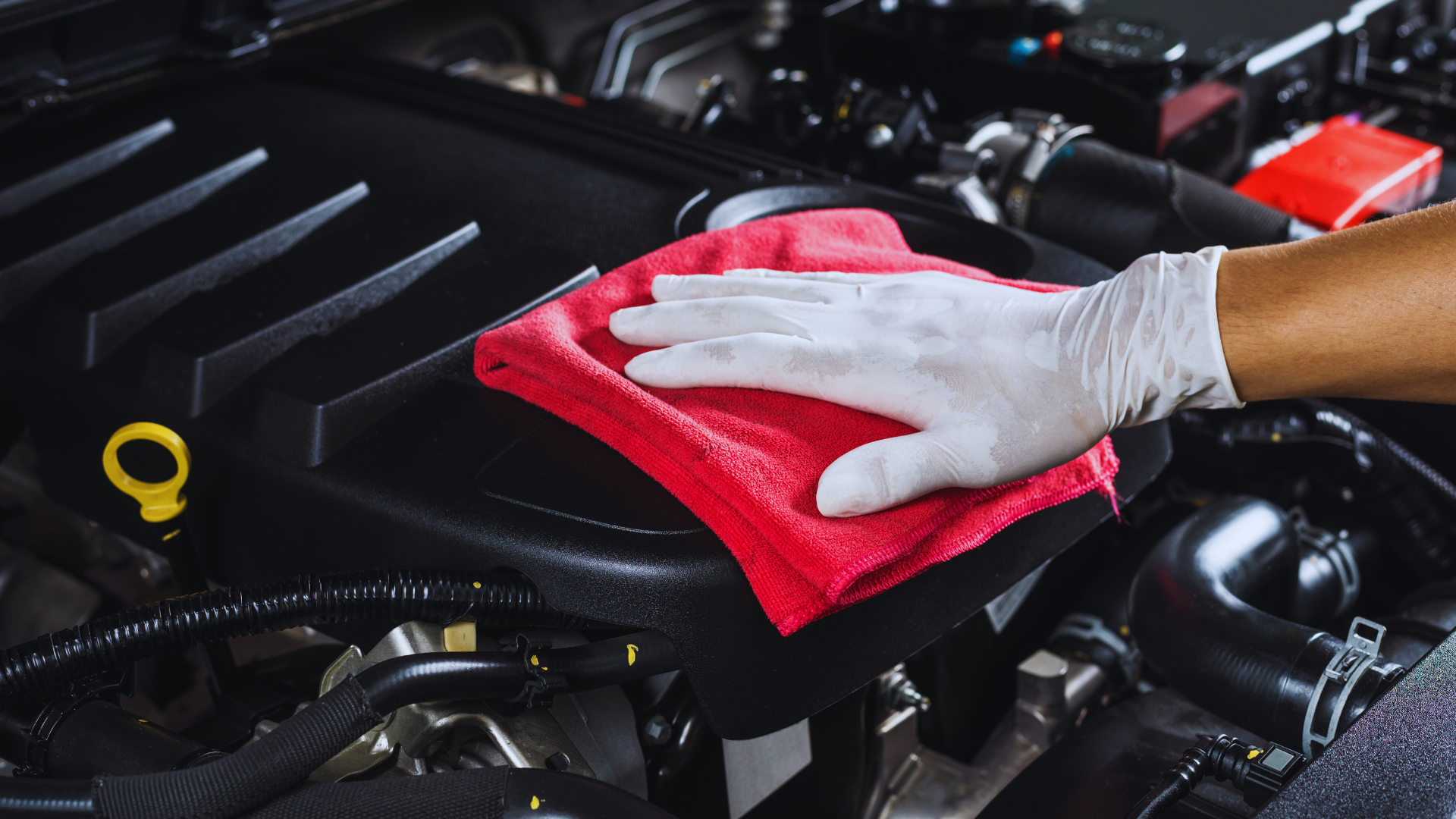
- Use a microfiber towel to wipe down the dashboard, avoiding harsh chemicals that can damage finishes.
- For glass surfaces, spray glass cleaner directly onto the surface and wipe with a dry microfiber cloth to prevent streaks.
- Regularly dust and clean these areas to avoid the buildup of grime.
Avoid cross-contamination by using separate cloths for different surfaces. Keeping the interior surfaces clean enhances visibility and ensures a pleasant driving experience.
Techniques and Tools for Professional Detailing
Effective detailing requires a combination of specialized techniques and appropriate tools. Understanding how to utilize these can significantly enhance the car’s appearance while ensuring its protection.
Machine Polishing and Paintwork Enhancement
Using a dual-action polisher is essential for achieving a flawless finish. This tool helps to minimize swirl marks and enhance the paint’s depth. When paired with appropriate polishing pads, it can effectively remove imperfections.
For paint correction, various detailing products are available. These often include compounds designed for specific levels of oxidation or scratches. After correction, applying a ceramic coating provides long-lasting protection. This creates a durable barrier against contaminants and UV damage.
Incorporating synthetic clay during the surface preparation process ensures that the paint is free of impurities. This step is crucial before polishing, as it allows for better adhesion of protective layers.
Tips for Effective and Safe Detailing
To ensure results, start with a clean surface. Using a microfiber car wash mitt helps to minimize scratches during the wash process. Always rinse the mitt frequently to prevent dirt particles from causing swirl marks.
When applying products, work in small sections. Use light pressure on the polisher to avoid damaging the paint. Regularly check the pads for buildup and replace them as necessary.
Lastly, incorporating UV protection into the detailing routine helps maintain the vehicle’s appearance over time. This can be achieved through various sealants or coatings, ensuring the paint remains vibrant and well-protected from environmental damage.