

Car repairs can be costly, but there are practical ways to reduce expenses without sacrificing quality. Knowing when to DIY simple fixes, comparing multiple quotes, and maintaining your vehicle regularly can save significant money over time.
Many drivers overlook preventive maintenance, which can prevent minor issues from turning into expensive repairs. Understanding the basics of car care empowers them to spot problems early and avoid unnecessary service charges.
Using trusted repair shops and seeking second opinions also helps avoid overpriced or unnecessary work. These steps make managing car repairs more predictable and affordable.
Prioritize Preventive Car Maintenance
Preventive care reduces the risk of costly repairs by addressing issues early. Regularly checking key components and following specific tasks can keep a car running smoothly and extend its lifespan.
Follow the Recommended Maintenance Schedule
A car’s manufacturer provides a maintenance schedule outlining when to perform specific services like oil changes, spark plug replacements, and fluid checks. Adhering to this schedule is crucial to avoid premature engine wear and transmission problems.
Ignoring the maintenance schedule often leads to expensive repairs. For instance, skipping oil changes can cause engine oil to degrade, resulting in poor lubrication and engine damage. Regularly inspecting the serpentine belt and replacing it as advised prevents breakdowns.
Keep Fluids and Filters in Check
Engine oil, transmission fluid, brake fluid, and coolant require regular checks and timely replacement to maintain performance. Low or dirty fluids can lead to overheating, poor transmission operation, and brake failure.
Filters such as air filters and fuel filters must also be replaced on schedule. Dirty air filters reduce fuel efficiency and engine power. Neglecting brake fluid maintenance causes decreased braking effectiveness and potential system damage.
Inspect Tires and Brakes Regularly
Regular inspections of tire tread, brake pads, and brake fluid help identify wear before it becomes critical. Worn brake pads increase stopping distance and damage rotors, which raises repair costs significantly.
Checking wiper blades frequently is also important for safety and visibility. Replacing worn blades ensures clear vision during rain or snow, which helps avoid accidents and subsequent repairs.
Monitor Tire Pressure and Rotation
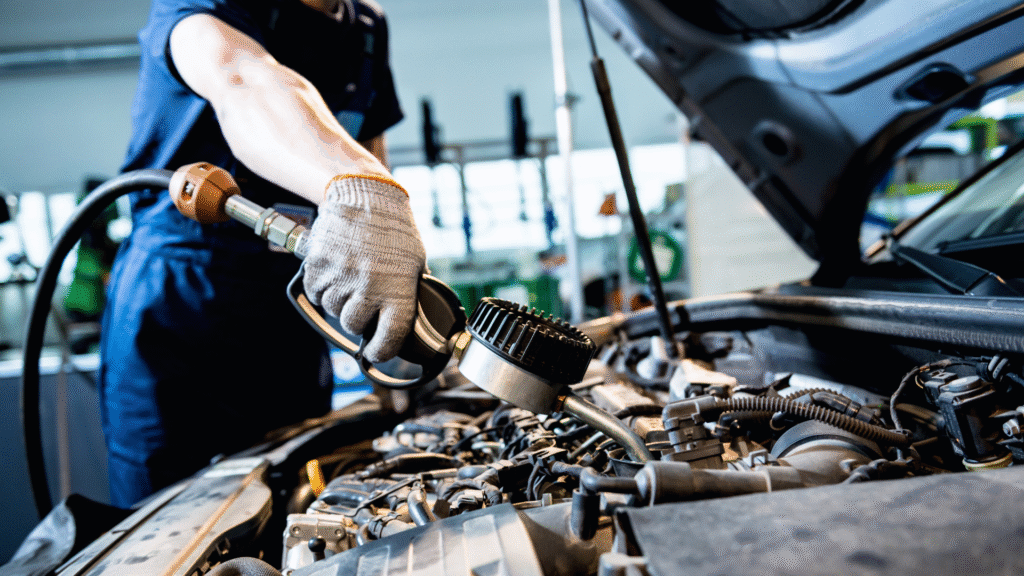
Maintaining the correct tire pressure improves fuel efficiency and prevents uneven tire wear. It also enhances vehicle handling and safety. Tire pressure should be checked monthly and adjusted based on recommendations.
Tire rotations at intervals specified in the maintenance schedule promote even tire wear. This extends tire life and reduces the need for early replacements. Proper rotation also supports balanced handling and braking performance.
Cost-Effective Repair Strategies
Saving money on car repairs involves timely action, smart cost comparisons, and maximizing available warranty benefits. Knowing when to repair and how to choose services can significantly reduce unnecessary expenses and avoid costly damage.
Address Issues Early to Avoid Major Repairs
When dashboard warning lights appear, such as the check engine light, addressing the problem immediately prevents more expensive repairs. For example, ignoring an early issue might turn a simple sensor fix into an engine overhaul.
Regular maintenance checks help detect wear before it escalates. Repair costs increase sharply if minor problems progress, especially with engine or transmission components. Early repairs often involve lower labor costs and fewer parts.
Owners should not delay service appointments. Quick responses to warnings preserve vehicle performance and reduce the chance of sudden breakdowns, ultimately saving money and time.
Understand and Compare Repair Costs
Repair costs can vary widely between shops and regions. Gathering multiple estimates helps identify reasonable labor and parts charges. Detailed quotes should list labor hours, parts costs, and taxes separately.
Online resources enable comparison of average prices for specific repairs, such as brake replacements or alternator repairs. This knowledge prevents overpaying and supports informed decisions.
Using aftermarket parts can lower expenses, but they should be weighed against quality and warranty impacts. Confirm all repairs come with clear labor warranties to avoid extra costs from poor workmanship.
Utilize Warranties and Coverage
Vehicle warranties can cover critical repairs, including engine components and other mechanical failures. Owners must understand warranty terms and act before expiration to save significantly on repair costs.
Extended warranties or service plans may provide coverage for labor and parts, reducing out-of-pocket expenses. Checking with the dealer or warranty provider clarifies covered repairs and claim procedures.
Some repairs triggered by dashboard warning lights might be covered. Utilizing these protections ensures owners do not pay for covered repairs unnecessarily, avoiding costly surprises.
Smart Choices for Parts and Mechanics
Selecting the right parts and mechanics directly affects repair costs and vehicle longevity. Choosing between OEM and aftermarket parts, finding a reliable mechanic, and exploring online parts options are key decisions for saving money and maintaining quality.
Choose Between OEM and Aftermarket Parts
OEM parts come directly from the vehicle’s manufacturer and typically guarantee fit and function. They are often more expensive but can offer better reliability and warranty coverage.
Aftermarket parts are made by third-party companies and usually cost less. Quality varies, so buyers should research brands carefully to avoid subpar products. For common repairs, aftermarket parts from retailers like AutoZone can be practical and affordable.
Deciding between these depends on the repair scope, vehicle age, and budget. For critical systems like brakes or airbags, OEM parts are often safer choices. For non-essential components, quality aftermarket parts may reduce costs without sacrificing performance.
Find a Trusted or Independent Mechanic
Trusted mechanics or service centers generally charge higher rates but offer certified work and reliable warranties. They are a safer bet for complex repairs or newer cars still under warranty.
Independent mechanics or repair shops often have lower labor fees. Many provide skilled service with personal attention. Checking online reviews, asking for referrals, and verifying certifications help ensure trustworthy service.
Using an independent mechanic can reduce repair bills significantly. It’s important they specialize in your car’s make and model to avoid issues with improper repairs. Transparency in estimates and clear communication are vital when choosing any mechanic.
Buy Quality Parts Online
Buying parts online can save money if the buyer knows the exact specifications. Websites like AutoZone provide user-friendly filters to locate the correct OEM or aftermarket parts.
Prices are often lower online due to reduced overhead costs. However, buyers must watch for shipping fees and return policies. Verifying compatibility through part numbers prevents costly order mistakes.
Checking customer reviews helps gauge the part’s quality and seller reliability. Combining online purchases with an experienced mechanic’s installation can optimize savings while maintaining repair standards.
Save on Car Repairs with DIY and Proactive Habits
Taking simple steps to handle minor fixes and prevent damage helps reduce repair costs. Understanding basic tools and monitoring vehicle signals can inform better decisions about when to seek professional help or do it yourself.
Tackle Easy DIY Repairs Yourself
Basic repairs like changing air filters, replacing windshield wipers, or swapping out brake pads can be done at home with minimal tools. Following manufacturer manuals and tutorial videos ensures proper process and reduces errors.
Using the right tools, such as socket sets and screwdrivers, streamlines these tasks. This avoids costly mechanic fees for routine jobs. Routine oil changes and tire pressure checks are also manageable and extend the car’s life.
Learn to Use Diagnostic Tools
An OBD-II scanner reads engine codes and alerts users to specific issues via warning lights. Learning to interpret these codes allows owners to identify problems early and choose whether to fix them or visit a mechanic.
Affordable OBD-II scanners are available online and easy to connect under the dashboard. This tool saves money by preventing unnecessary repairs and checking if warning lights signal minor or serious faults.
Protect Your Car from Preventable Damage
Using a car cover shields a vehicle from weather, dirt, and debris, reducing exterior wear. Regular washing and waxing preserve paint and prevent rust formation, important for long-term maintenance.
Avoiding harsh driving conditions, such as rough terrain or excessive idling, limits mechanical strain. Keeping tires inflated to the recommended pressure reduces wear and improves fuel efficiency, which lowers overall maintenance costs.