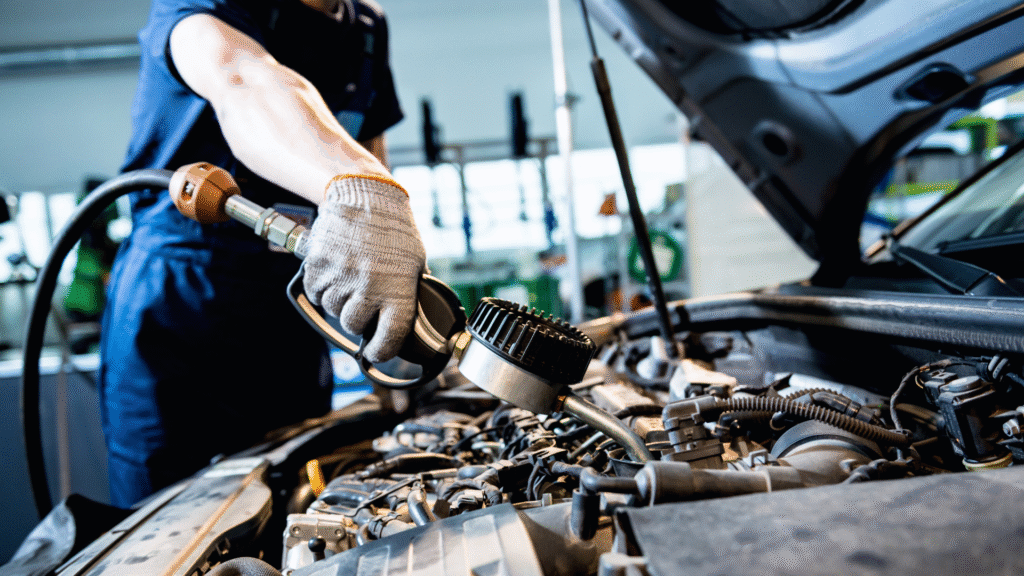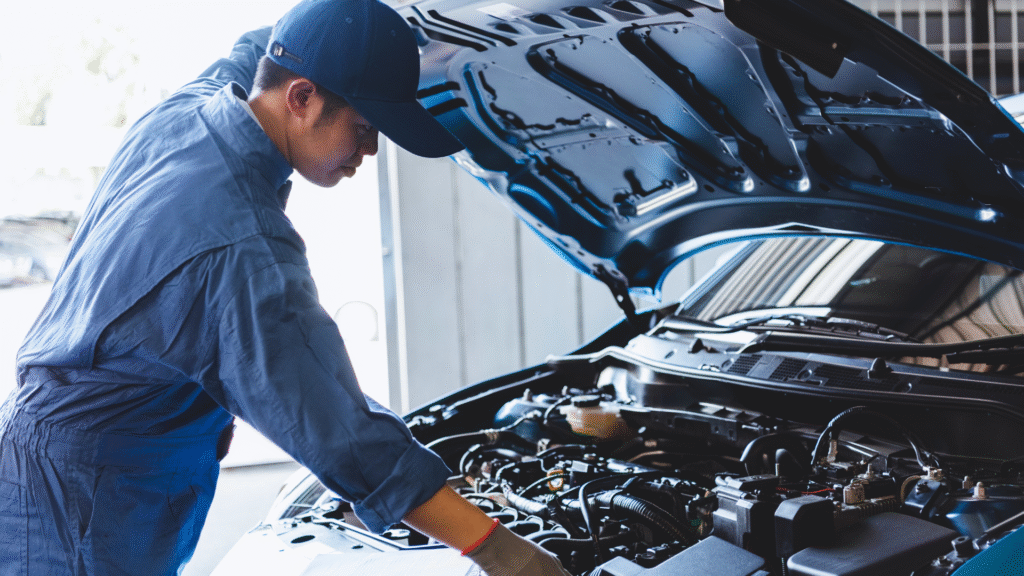


Routine vehicle inspections play a crucial role in maintaining road safety and ensuring a vehicle’s roadworthiness. A well-structured routine vehicle inspection checklist can help identify potential issues before they escalate, making the vehicle safer and reducing the risk of breakdowns. Regular maintenance checklists cover key areas such as brakes, tires, fluids, and lights, allowing vehicle owners to stay ahead of necessary repairs.
By adhering to a routine vehicle inspection, drivers can enhance the longevity of their vehicles and improve overall performance. This practice not only protects the investment made in the vehicle but also ensures a safer driving experience for all road users. A comprehensive checklist instills confidence that the vehicle is in optimal condition, contributing to peace of mind on every journey.
Despite routine inspections, failures can still occur, especially with commercial trucks or semi-trucks that have neglected maintenance. A single mechanical malfunction, such as worn brake pads or a tire blowout, can cause catastrophic accidents involving multiple vehicles. When serious injuries result from poor maintenance or negligence, victims often face complex legal and insurance challenges. In these situations, seeking assistance from a semi-truck injury law firm can be crucial for determining liability, holding responsible parties accountable, and securing fair compensation for medical bills, lost wages, and long-term recovery needs.
Inspection Preparedness
Preparation for a vehicle inspection involves gathering the right tools and understanding the checklist thoroughly. This section addresses the essential components of being ready for a routine vehicle inspection.
Gathering Inspection Tools
Before starting the inspection, it is crucial to gather the necessary tools. A checklist should include items like a flashlight, tire pressure gauge, and a multi-tool.
The flashlight helps in checking under the vehicle and inspecting hard-to-see areas. The tire pressure gauge ensures that each tire meets the manufacturer’s recommended pressure.
Other useful tools might include cleaning supplies, such as paper towels or rags to remove dirt from various components. Keeping a digital or printed copy of the vehicle inspection checklist and previous vehicle inspection reports can also be beneficial for quick reference.
Having these tools organized and accessible streamlines the entire inspection process.
Understanding the Checklist
A well-structured vehicle inspection checklist is crucial for thorough assessments. Familiarity with each item on the checklist can significantly impact the inspection’s effectiveness.
The checklist typically includes safety items such as lights, brakes, and tires, along with maintenance aspects like fluid levels and battery condition. It’s important to know how to assess each component listed.
Reviewing previous vehicle inspection reports can provide insights into recurring issues or items that need closer attention.
Understanding how to use the checklist correctly allows for a systematic approach, ensuring nothing is overlooked during the inspection. A routine maintenance checklist, in tandem with the vehicle inspection checklist, enhances the overall assessment and vehicle readiness.
Exterior and Documentation Check
A thorough exterior and documentation check ensures that a vehicle is safe and compliant with regulations. This includes inspecting the body and windows, tires and wheels, lights and signals, as well as the license plate and relevant documentation.
Body and Windows
Inspecting the vehicle’s body involves checking for any dents, scratches, or rust that could affect performance or aesthetics. Ensure that the paint is intact and that there are no signs of corrosion, especially in areas prone to wear.
Windows should be examined for cracks or chips that could impair visibility. The windshield wipers should be functional and free of wear, as good wipers are crucial for maintaining visibility in poor weather. Make sure to test the wipers to confirm they operate effectively.
Maintaining the outer surfaces of a commercial vehicle goes beyond just looking for damage. Dirt and grime can hide small scratches or rust spots that might get worse over time if left alone. A deep clean helps protect the paint and keeps the glass clear for better visibility on the road. Professional services like Star Bright Appearance provide the thorough care needed to keep a vehicle in top shape. This level of attention helps preserve the value of the car and makes sure every part of the exterior stays in good condition to keep business operations running smoothly.
Tires and Wheels
Tires should be inspected for adequate tread depth and even wear. A minimum tread depth of 2/32 of an inch is often recommended, but a deeper tread can improve traction. Look for any bulges or cuts in the tires, as these can lead to blowouts.
Check the wheel rims for dents or damage that could affect performance. Make sure that tire pressure is within the manufacturer’s specifications, as both over-inflation and under-inflation can impact handling and fuel efficiency.
Lights and Signals
Functioning lights and signals are vital for safety during driving. Check headlights for brightness and clarity, ensuring that both high and low beams work properly.
Turn signals, brake lights, and reverse lights should also be tested. It is important to replace any burned-out bulbs immediately to maintain visibility and communication with other drivers.
Alongside exterior lights, it is also important to check interior and cargo-area illumination, especially in commercial vans where good lighting affects safe loading, inspections and equipment checks. For fleets and technicians conducting routine inspections, choosing purpose-designed van lights can improve visibility in work areas and reduce the frequency of bulb failures. Including an interior-light check in the inspection checklist helps ensure safer, more efficient operations.
Regularly inspecting safety lights helps to prevent accidents and ensures legal compliance with traffic regulations.
License Plate and Vehicle Documents
The license plate should be securely attached and free from obstructions. Both front and rear plates must be visible and readable. Additionally, check for any state-specific stickers or decals that may need to be displayed.
Vehicle documents, such as registration and insurance proof, should be up-to-date and kept in the vehicle. Verify that the information matches the vehicle. This ensures compliance with local laws and readiness in case of a traffic stop or vehicle inspection.
Internal Systems Assessment
A thorough internal systems assessment is crucial for maintaining vehicle reliability. It involves checking several key components, ensuring optimal performance and safety.
Engine and Fluid Levels
Regular engine inspection focuses on identifying any irregularities in performance. Key areas to monitor include the following:
- Engine Oil: Check the oil level and condition. Low oil can lead to engine wear or failure. Use the dipstick to ensure the oil is within the recommended range.
- Coolant Levels: Maintain proper coolant levels to prevent overheating. Inspect for leaks in the hoses or the radiator.
- Transmission Fluid: Ensure the fluid is at the correct level and appears clean. Contaminated fluid can affect shifting and overall performance.
Monitoring these fluid levels can prevent significant damage and costly repairs. Regular checks increase vehicle efficiency and reliability.
Brakes and Steering
Brakes and steering systems are critical for safety. Inspecting these components can identify potential issues before they arise.
- Brake Pads: Examine for wear. If the pads are less than 1/4 inch thick, they should be replaced.
- Brake Fluid: Check the fluid level and ensure it is free of contaminants. Low fluid can indicate a leak.
- Steering Components: Inspect the steering rack and linkages for wear. Listen for unusual noises during turns.
Ensuring that your brakes and steering systems are in optimal condition is essential for safe and reliable driving. However, even with regular maintenance, failures can occasionally result in serious accidents. In such situations, consulting experienced personal injury lawyers, such as Braker White Midland, Texas, or other local attorneys, can be crucial for protecting your rights and pursuing fair compensation for injuries or damages.
Belts and Hoses
Belts and hoses play a vital role in engine operation. Regular inspection helps avoid breakdowns and inefficiencies.
- Engine Belts: Check for fraying or cracks in serpentine belts. Worn belts can cause loss of power to accessories.
- Hoses: Look for leaks, swelling, or brittle sections. Replace hoses showing signs of wear to prevent coolant or fluid leaks.
Investing time in assessing belts and hoses can lead to better vehicle reliability and instance reduction of performance issues.
Interior Controls
Interior controls enhance driving experience and functionality. A systematic check ensures everything operates correctly.
- Horn: Test the horn to confirm it is functioning. A non-working horn can impact safety measures.
- Dashboard Lights: Verify that all warning lights operate as intended. Address any warning indicators immediately.
- Climate Control: Check the heating and air conditioning systems for performance. Proper functionality ensures comfort during travel.
A complete evaluation of interior controls contributes to a safer and more enjoyable driving experience.
Compliance and Concluding Procedures
Maintaining compliance and completing necessary procedures are crucial after conducting a routine vehicle inspection. This ensures that all aspects of vehicle maintenance are up to standard, reducing the risk of costly repairs in the future.
Finalizing the Inspection Report
After completing the vehicle inspection, creating a detailed report is essential. This report should summarize the findings and outline any areas of concern. Key components of the report include:
- Date and Time of Inspection
- Inspector’s Name
- Vehicle Identification Number (VIN)
- List of Inspected Items
- Condition Ratings (e.g., satisfactory, needs attention)
It is important to provide recommendations for any repairs or maintenance needed. This documentation serves not only as a record for compliance but also as a guide for future vehicle care. Ensure that the report is clear and accessible for review during subsequent inspections.
Addressing Repair and Maintenance Needs
Upon identifying issues during the inspection, addressing repair and maintenance requirements promptly is necessary. Each issue should be prioritized based on its impact on vehicle performance and safety. Common areas needing attention include:
- Brakes
- Tires
- Fluids (oil, coolant, transmission)
- Lights and Signals
Neglecting these needs can lead to more significant problems and expensive repairs later. Implementing a maintenance schedule and following the vehicle maintenance checklist helps keep track of routine checkups. Compliance with these maintenance checks not only enhances vehicle longevity but also ensures safe operation on the road. Regular discussions with a trusted mechanic can provide additional insights into specific vehicle needs.