

Long journeys demand careful preparation to avoid unexpected delays and ensure safety. The key to preparing a car for a long trip is a thorough check of essential systems like tires, fluids, brakes, and lights. This prevents breakdowns and promotes a smoother, more reliable drive.
Drivers should also pack emergency supplies and plan rest stops to maintain alertness and comfort. Small steps taken before departure can make a significant difference during hours on the road.
Essential Pre-Trip Inspections
A thorough pre-trip inspection ensures all critical systems function properly before a long drive. Paying attention to fluids, tires, brakes, and the battery helps avoid breakdowns and safety issues.
Check Fluid Levels and Top Off
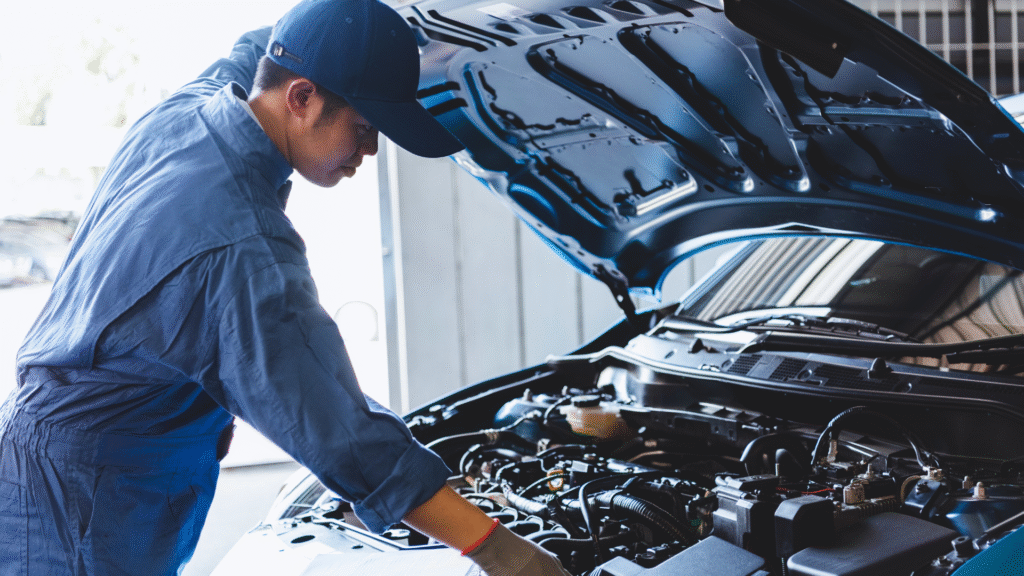
He should check the engine oil first. The oil should be between the minimum and maximum marks on the dipstick. If the oil is dark or gritty, an oil change is recommended before the trip.
Coolant level is crucial. The coolant reservoir should be filled to the indicated level to prevent engine overheating. It’s important to check the coolant condition and top it off with the recommended type.
Brake fluid must be checked next. The fluid should be clear and at the proper level in the brake fluid reservoir. Low brake fluid can affect braking performance.
Transmission fluid and power steering fluid levels should also be inspected. Both fluids should be clear and at recommended levels to ensure smooth shifting and responsive steering.
Inspect Tire Pressure and Tread Depth
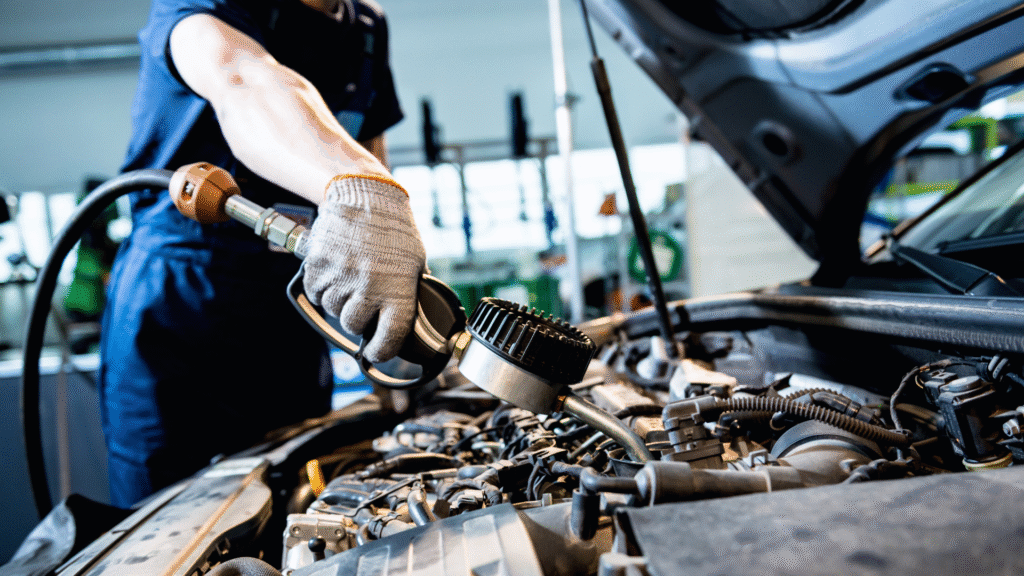
Tire pressure should be checked when tires are cold using a reliable pressure gauge. The recommended PSI is found in the owner’s manual or on the driver’s door jamb.
Uneven or low tire pressure can lead to poor handling and increased wear. The spare tire’s pressure should not be overlooked.
For tread depth, he can use the penny test: insert a penny into the tread with Lincoln’s head down. If the top of Lincoln’s head is visible, the tread is too worn and the tire should be replaced.
Tires must have even wear across the surface to maintain good traction, especially in wet conditions. The suspension and steering components should also be checked for wear, as they affect tire performance.
Review Brake Components
Brakes require careful inspection. He should look for worn brake pads that are less than 3mm thick.
Rotors should be free of deep grooves or visible damage. Any pulsing or vibration during braking points to potential rotor issues.
Brake lines and hoses must be checked for leaks or cracks. The suspension and steering system should be examined to ensure stability during braking.
If any abnormal noises or reduced responsiveness occur while braking, professional service is recommended before departure.
Test Battery Health
Battery inspection includes checking for corrosion on terminals and secure mounting. Corrosion can be cleaned with a baking soda solution.
He should test battery voltage with a multimeter. A healthy battery typically reads around 12.6 volts when the engine is off.
Load testing or visiting a mechanic for a full battery test can identify weak batteries that might fail on the road.
Cleaning and tightening battery connections helps maintain reliable starts. Replacing an old or weak battery before the trip reduces the risk of getting stranded.
Optimize Safety and Visibility
Maintaining visibility and ensuring all safety lights function properly are critical for safe long-distance driving. Checking these components early prevents minor issues from becoming hazards on the road.
Test Headlights and Brake Lights
They should confirm that both low and high beam headlights are fully operational. Dim or flickering headlights reduce night visibility and increase accident risk. Using a secure flat surface, the driver can measure headlight alignment to avoid blinding others or having reduced reach.
Brake lights must illuminate immediately when the pedal is pressed. A helper can observe the rear lights as the driver applies the brakes. Faulty brake lights increase rear-end collision chances, especially in heavy traffic or poor weather.
Ensure Windshield Cleanliness
A spotless windshield minimizes glare and maximizes visibility in all weather conditions. The driver should thoroughly clean both the inside and outside using a glass cleaner and a microfiber cloth. Removing dirt, dust, and streaks prevents vision impairment during bright sunlight or nighttime driving.
They must confirm the windscreen is free of cracks or chips that could obstruct the view or worsen under stress. Damaged areas need repair or replacement before the journey to maintain clear sight lines.
Replace Wipers and Wiper Blades
Effective wipers are essential to clear rain, snow, or debris from the windshield. The driver should inspect the wiper blades for signs of wear, such as cracking, splitting, or inconsistent contact with the glass. Wipers older than six months in adverse climates generally require replacement.
They must test the wiper function and ensure the windshield washer fluid reservoir is full. Using the fluid helps clear stubborn dirt and maintain visibility in wet conditions or dust-prone areas.
Check Turn Signals and Hazard Lights
Turn signals need to flash brightly and consistently when activated. The driver should walk around the vehicle to verify each indicator light—front, rear, and side—is working properly. Faulty signals confuse other drivers and increase the chance of accidents.
Hazard lights must also operate correctly to warn others during breakdowns or emergencies. Testing these lights ensures the vehicle can safely communicate distress or sudden stops on long trips.
Prepare Emergency Supplies and Essentials
A well-prepared vehicle includes essential items that address common roadside problems, health issues, and basic needs. These supplies reduce risks during unexpected situations by ensuring a driver has the right tools, medical materials, and provisions on hand.
Assemble Emergency Kit and Tools
An effective emergency kit contains a selection of basic tools and safety items to handle car troubles. Essential components include jumper cables, a flashlight with extra batteries, a multi-tool, and reflective warning triangles or flares to alert other drivers.
Drivers should also carry a portable air compressor to quickly inflate tires if needed. A set of wrenches, screwdrivers, and pliers is useful for minor repairs on the road. Including gloves and duct tape adds extra preparedness for improvised fixes.
All tools should be stored in a durable, waterproof case for easy access and protection from damage.
Pack a First Aid Kit and Blankets
A comprehensive first-aid kit is critical for treating minor injuries during travel. It should contain bandages, antiseptic wipes, adhesive tape, scissors, tweezers, pain relievers, and allergy medication. Including a CPR face shield can be beneficial in emergencies.
Blankets provide warmth if stranded in cold weather or after an accident. Wool or thermal blankets are preferred because they retain heat effectively. Packing multiple lightweight blankets allows for layering if needed.
Stores should check the first-aid kit regularly to replace expired or used items.
Stock Food, Water, and Snacks
Non-perishable snacks and bottled water are necessary for sustaining energy and hydration during delays. Items such as granola bars, nuts, dried fruits, and jerky offer long shelf life and balanced nutrition.
It is important to carry at least one gallon of water per person for a 24-hour period. Storing water in sealable containers prevents contamination.
Drivers should avoid perishable foods, which can spoil quickly, especially in varying temperatures.
Check Spare Tire and Air Compressor
Before any long trip, it is crucial to inspect the spare tire’s condition and pressure. A fully inflated and undamaged spare ensures readiness in case of a flat tire.
Using a portable air compressor, drivers can maintain optimal tire pressure throughout the journey, preventing blowouts and improving fuel efficiency. The device should be tested before the trip to confirm it functions properly.
Carrying tire-changing tools like a jack and lug wrench completes the kit needed to replace a flat.
Enhance Comfort and Convenience
Proper planning improves comfort and keeps the driver focused on the road. Addressing navigation, entertainment, breaks, and climate preparation ensures the journey is smooth and less stressful.
Update GPS and Offline Maps
Before a long road trip, update the GPS software and download offline maps. This prevents navigation failures in areas with poor cellular coverage. They should verify that maps cover the entire route, including alternative roads for flexibility.
Ensure the GPS device or smartphone is fully charged, and bring a car charger for extended use. Travelers should save emergency contacts and roadside assistance numbers on their devices. Testing the GPS functionality before departure helps avoid issues mid-journey.
Organize Entertainment and Devices
Entertainment systems should be prepared with updated music playlists, podcasts, or audiobooks. This keeps passengers engaged and helps pass the time. They can create a mix of genres and durations to suit different moods during the long drive.
Chargers for phones, tablets, or other devices need to be accessible. A portable power bank also benefits situations without power access. Cables should be organized to avoid clutter and ensure quick device connection.
Plan Rest Stops and Clothing
Long road trips require scheduled rest stops to maintain alertness and comfort. Drivers should identify rest areas and service stations in advance, factoring them into the estimated travel time. Frequent breaks reduce fatigue and promote safety.
Packing appropriate clothing layers is crucial. Comfortable, loose-fitting clothes help on long drives. They should bring extra clothing options suitable for weather changes, especially if stopping outdoors during rest breaks.
Prepare for Climate and Sunglasses
Testing the air conditioning and heating systems before departure ensures a comfortable cabin climate. Adjustments during the drive affect driver alertness and comfort, especially in extreme temperatures. They should also clean the windshield and side windows for better visibility.
Sunglasses are essential for driving in bright conditions. Polarized lenses reduce glare from the road and other vehicles. Keeping them within easy reach helps drivers respond quickly to changes in sunlight during the trip.