

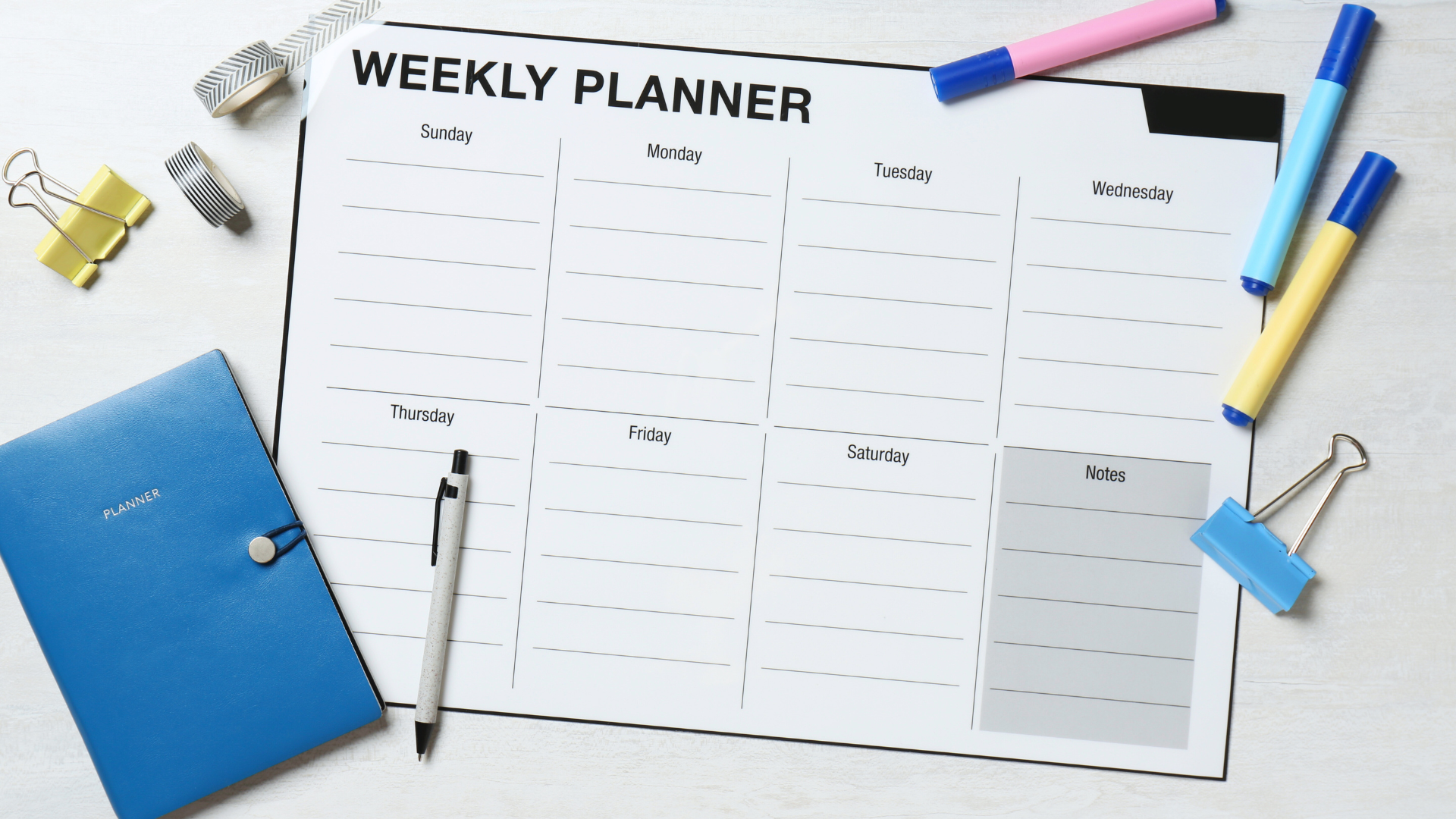
Weekly planning can help anyone save valuable time by organizing tasks in advance and reducing daily decision-making. By setting priorities and mapping out tasks for the week, individuals can focus on what truly matters without wasting time on unplanned activities.
This approach minimizes distractions and breaks down large goals into manageable steps. It also allows for better time allocation, preventing last-minute rushes and stress.
People who adopt weekly planning often find their productivity increases because they spend less time figuring out what to do next. This guide will offer practical tips to make weekly planning efficient and effective.
Essential Weekly Planning Strategies
Effective weekly planning requires focus on defining what needs to be done, organizing tasks based on importance, and breaking down larger goals into manageable actions. This approach enables better productivity and clarity throughout the week.
Setting Clear Weekly Goals
Setting clear weekly goals is crucial for guiding efforts and measuring progress. Goals should be specific, measurable, and realistic to maintain focus and motivation. For example, instead of “exercise more,” a goal could be “complete three 30-minute workouts.”
Writing goals down in a planner or digital tool helps reinforce commitment. A weekly planning checklist ensures no goal is overlooked. Clear goals align with larger personal or professional objectives, preventing wasted time on less relevant tasks.
Prioritizing Tasks and Commitments
Prioritizing tasks prevents overwhelm and ensures critical activities receive attention first. One effective method is the Eisenhower Matrix, which categorizes tasks by urgency and importance. This helps distinguish between what must be done immediately and what can wait or be delegated.
Priorities should reflect weekly goals. For instance, if completing a project report is primary, other less pressing commitments should be scheduled around that. Using color codes or labels in planners offers visual cues to manage workload efficiently.
Breaking Down Big Goals into Actionable Steps
Big goals often feel daunting and hard to tackle all at once. Breaking them into smaller, specific steps makes progress more achievable. For example, writing a book can be divided into outlining, drafting chapters, and editing sections.
Actionable steps should be scheduled throughout the week to maintain steady progress. Including due dates on these tasks in a weekly planning checklist prevents last-minute rushes and increases productivity. This tactic translates broad ambitions into daily, manageable actions.
Optimizing Your Planning Tools and Systems
Selecting and adjusting the right tools streamlines weekly planning. Different formats impact ease of use and efficiency, while templates can reduce setup time and keep plans consistent.
Choosing the Right Planner Format
The format of a weekly planner influences how smoothly tasks get organized. Some prefer a physical planner or notepad for direct, tactile interaction. Writing by hand can improve memory and reduce digital distractions.
Others benefit from a digital planner, which allows easy editing, syncing across devices, and adding reminders. The choice depends on personal habits, workspace, and mobility needs.
When deciding, consider the planner’s size, layout, and available space for to-do lists and notes. A minimalist design helps keep focus, while planners with sections for priorities and deadlines ensure nothing is overlooked.
Digital vs. Paper Planning
Digital planners provide flexibility with features like recurring tasks, alarms, and integration with calendars. They work well for users who frequently update or rearrange plans.
Paper planning encourages focused attention without screen interruptions. It can be better for those who find typing less effective or who prefer visual organization on a larger page.
Each method has trade-offs: digital planners can drain attention if notifications are distracting, while paper planners lack automated reminders. Users might combine both, using paper for drafting and digital for tracking.
Utilizing Planner Templates Effectively
Templates save time by providing predefined structures for weekly planners. They standardize task sections, deadlines, and priorities, so setup isn’t repeated every week.
Effective templates include areas for daily tasks, urgent items, and notes. Templates that accommodate habit tracking boost productivity by highlighting routines.
Customizing templates to suit specific workflows or project types maximizes usefulness. A well-designed template balances detail with simplicity to prevent overwhelming the user while keeping essential information visible.
Building a Sustainable Planning Routine
Creating a planning routine involves consistent effort and adaptability. It requires setting specific times for planning, integrating daily actions, regularly reviewing goals, and learning to avoid pitfalls.
Establishing a Weekly Planning Ritual
A weekly planning ritual should happen at a fixed time, such as Sunday evening or Monday morning. This consistency builds a habit, making weekly planning automatic.
During this session, he or she should review priorities, deadlines, and appointments for the coming week. Using tools like digital calendars or a planner helps keep track of tasks clearly.
Setting a quiet, distraction-free environment during this time increases focus. They should allocate 30 to 60 minutes, depending on the complexity of the week’s tasks.
Incorporating Daily Planning Habits
Daily planning supports the weekly plan by breaking down larger tasks into manageable actions. At the start or end of each day, reviewing daily tasks aligns efforts with weekly goals.
He or she can create a simple to-do list or use apps that sync with the weekly planner. Prioritizing three main tasks daily keeps focus on what matters most.
Adjustments during the day are normal; updating the plan prevents overwhelm and keeps progress steady. Small daily reviews create discipline in maintaining the broader weekly routine.
Reviewing and Adjusting Your Plan
Regular review sessions are essential for a sustainable planning routine. Besides weekly reviews, brief daily check-ins help identify if adjustments are needed due to new priorities or obstacles.
Using a checklist or tracking system can show completed tasks and highlight unfinished ones. He or she should reflect on what worked well and what did not, then adjust times or methods accordingly.
Flexibility is key. A plan must adapt to changes in workload or personal energy levels without losing sight of long-term goals.
Avoiding Common Planning Mistakes
Common planning mistakes include overloading the schedule, ignoring deadlines, and inconsistency in reviews. He or she must avoid setting unrealistic goals that lead to frustration.
Failing to prioritize tasks causes wasted effort on less important activities. To counter this, using methods like the Eisenhower matrix or ABC prioritization helps focus on urgent and important tasks.
Skipping daily adjustments or reviews weakens the planning routine. Maintaining discipline in the habit of planning prevents falling behind or losing control.
Balancing Productivity with Wellness
Effective weekly planning should include time for productivity alongside activities that support mental and physical wellness. Integrating moments of rest and self-care helps maintain focus and prevents burnout throughout the week.
Scheduling Downtime and Relaxation
Scheduling downtime is essential for sustaining energy and productivity. It allows the brain and body to recover from continuous work, which improves overall efficiency.
Planning specific blocks of time for relaxation—such as a 15-minute break or a longer evening wind-down—ensures these moments are not overlooked. Using timers or calendar reminders can help enforce these breaks consistently.
Activities during downtime should be chosen for their ability to reduce stress, such as reading, meditation, or light stretching. These practices support mental clarity, allowing for better time management during work periods.
Prioritizing Self-Care and Mental Health
Self-care must be a deliberate part of weekly planning to maintain wellness. This includes physical care like sleep and nutrition, as well as mental health practices.
Incorporating activities such as journaling, therapy sessions, or quiet reflection can prevent stress buildup. Prioritizing these habits improves emotional resilience, which supports consistent productivity.
Tracking mental health alongside tasks, for instance, by noting mood or stress levels daily, can guide adjustments to plans. This approach balances output with well-being needs.
Maintaining a Healthy Work-Life Balance
A healthy work-life balance prevents overcommitment and supports long-term wellness. Setting clear boundaries on work hours, especially when working from home, helps separate professional and personal time.
Weekly planning can include fixed start and end times for work, as well as dedicated family or leisure activities. This separation reduces mental exhaustion and fosters more focused, quality work periods.
Reviewing and adjusting commitments weekly ensures the balance adapts to changing demands without sacrificing wellness or productivity goals.