
Checking tyre pressure is a simple but essential step for vehicle maintenance. Keeping tyres properly inflated improves fuel efficiency, enhances safety, and extends tyre life. Many drivers ignore this task, not realizing its impact on everyday driving.
The process involves using a pressure gauge to measure the air pressure inside each tyre and comparing it with the manufacturer’s recommended levels. Tyres that are underinflated or overinflated can lead to uneven wear, reduced control, and higher chances of a blowout.
Understanding how to check tyre pressure regularly helps prevent these problems. This guide will explain how to do it correctly and why it should be part of every driver’s routine.
Why Checking Tyre Pressure Is Crucial
Maintaining the correct tyre pressure directly affects a vehicle’s safety, tire wear, fuel consumption, and driving dynamics. Small deviations can lead to significant performance issues and increased risks during daily driving.
Impact on Vehicle Safety
Proper tyre pressure is essential for maintaining vehicle safety. Underinflated tyres increase the risk of a tyre blowout because they generate excessive heat due to higher rolling resistance. This heat can weaken the tyre structure, potentially causing failure at high speeds.
Overinflated tyres reduce the contact patch with the road, decreasing traction. Both conditions compromise braking performance and increase stopping distances. Correct tyre pressure helps maintain consistent grip, reducing the likelihood of accidents caused by poor vehicle control.
Effects on Tire Longevity and Wear
Incorrect tyre pressure directly impacts tire longevity. Underinflation causes the tyre edges to wear faster as more load is placed on the sidewalls. This uneven wear reduces the overall tire life and may lead to premature replacement.
Overinflated tyres tend to wear out more quickly in the center tread, creating uneven wear patterns. Both conditions increase the frequency and cost of tire maintenance. Maintaining proper tyre pressure ensures balanced wear and maximizes tire life.
Influence on Fuel Efficiency and Consumption
Tyres with low pressure increase rolling resistance, making the engine work harder. This leads to higher fuel consumption and reduces fuel efficiency. Studies show that driving with tyres underinflated by just 10 psi can lower fuel economy by about 2%.
Conversely, overinflated tyres might improve fuel efficiency very slightly, but at the cost of decreased safety and tire wear issues. Maintaining recommended tyre pressure optimizes fuel use and saves money on fuel expenses over time.
Handling, Performance, and Braking
Proper tyre pressure supports optimal handling by ensuring the right balance between comfort and responsiveness. Underinflated tyres feel squishy, which blunts steering response and can lead to a sluggish driving experience.
Overinflated tyres make the ride harsh and reduce grip on uneven surfaces. Correct pressure maintains consistent contact between the tire and road, improving cornering stability and braking ability. This balance is vital for safe, precise vehicle control under various driving conditions.
Step-By-Step Guide: How to Check Tyre Pressure
Checking tyre pressure requires knowing the target pressure, having the right tools, and taking accurate readings. After measuring, it is important to adjust if the pressure is too low or too high to ensure safe driving and tyre longevity.
Finding Recommended Tire Pressure
The recommended tire pressure is usually found on the tire placard, located on the driver’s side door frame or inside the fuel filler door. The vehicle manual also lists this information. This pressure is given in psi (pounds per square inch) and varies by tire model and vehicle load.
Do not use the pressure printed on the tire sidewall, as this is the maximum pressure, not the recommended operating pressure. Always follow the manufacturer’s recommended tire pressure for optimal performance and safety.
Preparing Your Vehicle and Equipment
Before checking tire pressure, ensure the tires are cold. Ideally, check the pressure after the car has been parked for at least three hours or driven less than a mile. Heat from driving can temporarily increase tire pressure and cause inaccurate readings.
Gather a reliable tire pressure gauge—digital or dial gauges tend to be more accurate than stick types. Remove the valve stem cap from the tire you plan to check first. Keep the caps in a safe place to prevent dirt from entering the valve stem.
Using a Tire Pressure Gauge
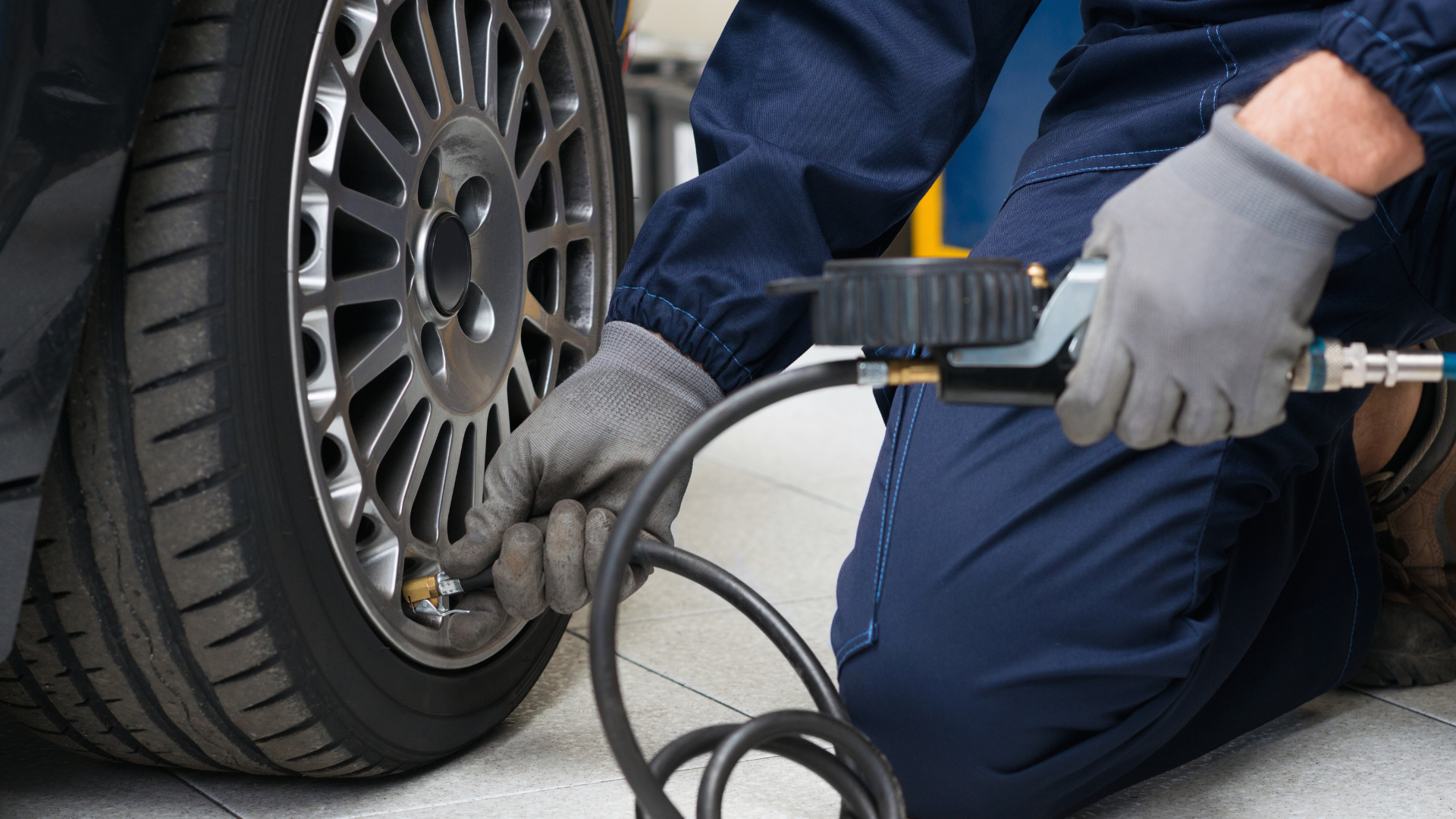
Press the tire pressure gauge firmly onto the valve stem to prevent air from escaping. Hold it long enough for the gauge to display the pressure, usually a couple of seconds. Read the value shown and compare it to the recommended tire pressure.
Repeat the process for all four tires. If a tire is underinflated, the reading will be below the recommended level. An overinflated tire will show a higher pressure value. Note that proper technique is essential to avoid incorrect readings.
Adjusting and Maintaining Correct Tire Pressure
If the tires are underinflated, use an air compressor or gas station air pump to add air in short bursts. Check the pressure frequently while inflating to avoid overinflation. If the tire is overinflated, press the valve stem slightly to release air and re-check pressure.
After adjustment, replace the valve stem caps securely to keep dirt and moisture out. It is recommended to check tire pressure at least once a month and before long trips. Maintaining correct tire pressure improves fuel efficiency, tire lifespan, and vehicle handling.
Common Tyre Pressure Problems and Solutions
Incorrect tire pressure can cause uneven tire wear, reduced tire life, and an increased risk of accidents. Addressing common problems early can improve safety and performance.
Recognizing Underinflated and Overinflated Tires
Underinflated tires appear visibly flatter and may cause the vehicle to handle sluggishly. They increase rolling resistance, leading to higher fuel consumption and faster tire wear on the edges. Regularly checking pressure helps avoid these issues.
Overinflated tires look more rounded and firm. This causes a smaller contact patch with the road, making the center tread wear faster. It also reduces grip and increases the chance of a tire blowout on rough roads or sharp impacts.
Use a reliable pressure gauge and follow the manufacturer’s recommended psi, found in the vehicle manual or door jamb label, for optimal tire health.
Identifying and Fixing Slow Leaks or Punctures
Slow leaks often result from small punctures caused by nails, screws, or sharp debris. They cause gradual pressure loss, which might not be noticeable without frequent checks.
To find a slow leak, inspect the tire surface for embedded objects or bubbles using soapy water. Fixing involves repairing the puncture with a patch or plug, or replacing the tire if the damage is severe.
Regular tire rotation can help detect uneven wear caused by leaks or other pressure issues. Early repair prevents blowouts and maintains tire life.
Consequences of Incorrect Tire Pressure
Maintaining incorrect tire pressure increases the risk of tire blowouts, especially with overinflated tires, where sudden impact can easily rupture the tire. Underinflation causes excessive tire heat build-up, which also raises blowout risk.
Incorrect pressure leads to uneven tire wear. Underinflated tires wear faster on the edges, overinflated on the center, shortening tire life and increasing costs for replacements.
Incorrect pressure reduces traction and braking ability, which can compromise safety in wet or emergency conditions. Proper monitoring prevents these risks and helps maintain consistent performance.
Tyre Pressure Monitoring Technology and Maintenance Tips
Maintaining proper tire pressure relies heavily on technology and routine care. Understanding how monitoring systems operate, recognizing warning signs, and following maintenance steps like tire rotation and wheel alignment help ensure safety and prolong tire life.
How Tire Pressure Monitoring Systems (TPMS) Work
TPMS uses sensors inside each tire to measure pressure continuously. These sensors send data to the vehicle’s computer in real time. When pressure drops below the recommended level, the system triggers an alert on the dashboard.
There are two main types of TPMS: direct and indirect. Direct TPMS measures actual pressure inside each tire via sensors. Indirect TPMS estimates pressure by monitoring wheel speed and comparing it against others.
The system enables quicker detection of leaks or deflation, which might not be noticeable while driving. Properly functioning TPMS reduces the risk of accidents caused by underinflated tires.
Interpreting the Tire Pressure Light
The tire pressure light activates when one or more tires fall below the manufacturer’s recommended pressure. It typically appears as an exclamation mark inside a horseshoe shape.
If the light comes on, it indicates an immediate need to check tire pressure manually using a gauge. Driving with the light on can risk poor handling, increased fuel consumption, and tire damage.
The light may also blink briefly at startup, which is normal. However, it should turn off after a few seconds if no pressure issues exist. Persistent or flashing lights usually indicate sensor problems or severe pressure loss.
Best Practices for Regular Tire Pressure Checks
Checking tire pressure monthly is essential, especially before long drives. Use a reliable gauge and measure pressure when tires are cold, ideally after the vehicle has been parked for several hours.
Refer to the vehicle’s door edge or owner’s manual for the correct pressure values. Inflate tires according to those specifications, never based on the number printed on the tire sidewall.
Keep a record of tire pressures and check the spare tire as well. Regular checks complement TPMS alerts and prevent driving on dangerously underinflated tires.
The Role of Wheel Alignment and Tire Rotation
Wheel alignment keeps tires properly angled to the road. Poor alignment causes uneven tire wear and can affect pressure stability. Regular checks ensure optimal pressure distribution and vehicle handling.
Tire rotation moves tires between different positions on the vehicle at set intervals (every 6,000 to 8,000 miles). Rotation balances wear, helping all tires maintain even grip and pressure levels.
Both wheel alignment and rotation contribute to longer tire lifespan and consistent tire performance. Ignoring these can lead to premature wear and increased risk of pressure-related problems.