

Many car owners face the challenging decision of whether it’s time to replace their vehicle. Factors such as age, repair costs, and safety features all contribute to this important choice. A good rule of thumb is to consider replacing a car when repair costs exceed 50% of its current value or when it becomes unsafe to drive.
The age of a vehicle can also indicate when to seek a replacement. As cars age, they may require more frequent repairs, which can quickly add up. Additionally, newer models often come with enhanced technology, improved fuel efficiency, and advanced safety features that older cars may lack.
Ultimately, assessing personal circumstances and weighing the costs of keeping an older car versus investing in a new one is crucial. Regularly monitoring a vehicle’s performance and reliability will guide owners in making an informed decision about when to replace their car.
Key Signs It’s Time To Replace Your Car
Recognizing when to replace a vehicle involves identifying specific indicators that signal declining performance and rising costs. The following signs can help any car owner make informed decisions about their vehicle.
Frequent Major Repairs
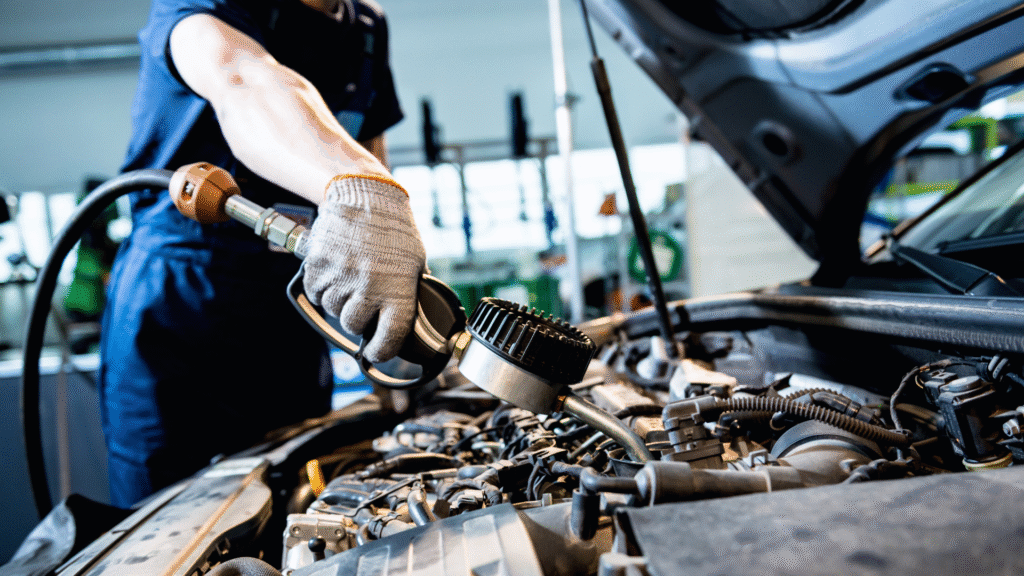
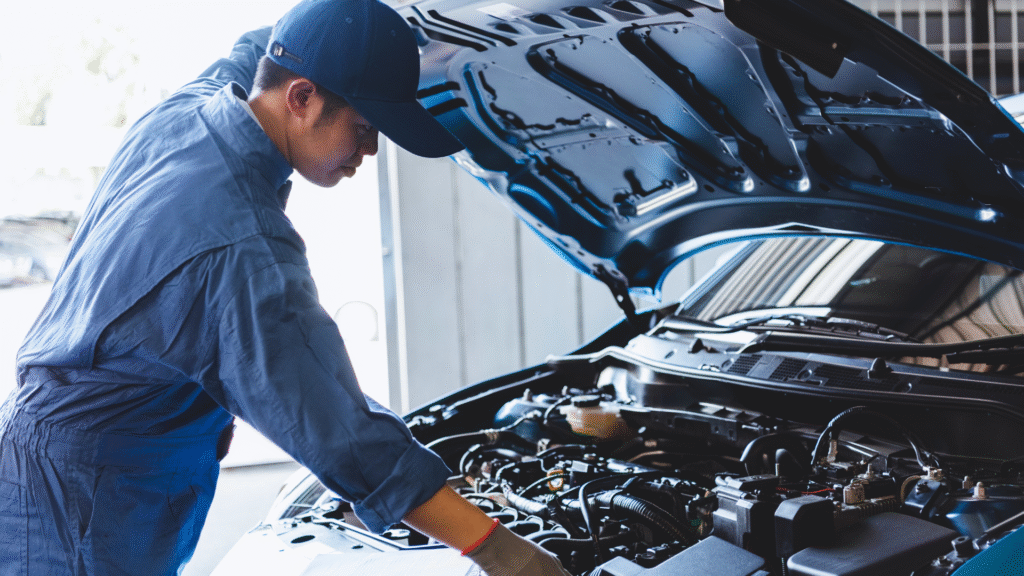
If a car frequently requires major repairs, it may be time to consider a replacement. Major repairs typically include issues with the engine, transmission, or electrical systems.
When these problems arise multiple times within a short period, they often point to an aging vehicle that is losing reliability. Continually visiting the repair shop for significant issues not only disrupts daily life but may also indicate that the car is nearing the end of its useful life.
These repairs can be costly and, over time, contribute to an unreliable vehicle. If a car owner finds themselves in this situation, weighing the costs of ongoing repairs against the benefits of purchasing a newer vehicle becomes essential.
Escalating Repair Costs Versus Car Value
The relationship between repair costs and the car’s value plays a crucial role in deciding whether to keep or replace a vehicle. As cars age, their value depreciates significantly.
If repair costs exceed a certain percentage of the car’s current value, typically around 50%, it may be more practical to invest in a newer model. For example, if a vehicle is worth $5,000 and the repair estimate is $2,500, it may be more sensible to purchase a replacement.
The owner must also consider potential future repairs. If a car consistently incurs high repair costs, the financial burden will increase, making replacement a more viable option.
Ongoing Wear and Tear Issues
Ongoing wear and tear issues can significantly affect a car’s performance and safety. Common problems include worn-out tires, brakes, and suspension components.
If these issues become frequent and interfere with safe driving, replacing the vehicle may be necessary. Regular vehicle inspections can help identify these problems before they escalate.
Additionally, issues such as rust or body damage can lead to further complications, including structural integrity concerns. Addressing ongoing wear and tear promptly is essential, but if it becomes a recurring issue, considering a newer, more reliable vehicle could be the best course of action.
Sometimes, minor cosmetic issues like door dings and minor dents can make a car look older and more worn down than it actually is. Fixing these small imperfections is often much cheaper than buying a new vehicle. If you want to restore your car’s appearance without spending a fortune, choosing a professional dent repair denver service can make a big difference. This process removes dents without needing new paint or body filler, which helps keep your original factory finish intact. Keeping up with these small cosmetic repairs preserves your car’s resale value and makes it much more enjoyable to drive every day.
Financial Factors In Replacing Your Car
Deciding when to replace a car involves several financial considerations. Key factors include evaluating ongoing car payments and ownership costs, along with weighing repair expenses against the benefits of acquiring a new vehicle.
Assessing Car Payments and Ownership Costs
Car payments are a significant part of vehicle ownership. They stem from financing options that can vary widely based on credit, loan terms, and vehicle price. Monthly payments can increase if a new vehicle is chosen, impacting the overall budget.
Car payments are a significant part of vehicle ownership. They stem from financing options that can vary widely based on credit, loan terms, and vehicle price. Monthly payments can increase if a new vehicle is chosen, impacting the overall budget. For readers in Australia, Loans Unlimited is one option to include when comparing vehicle finance services, alongside factors such as repayment amounts, fees, and loan terms.
Other ownership costs include registration fees, which can change annually based on state regulations. These fees should be factored into the total expense of keeping a vehicle.
Additionally, insurance costs can fluctuate based on the vehicle’s value, make, and model. Keeping these variables in mind is essential when assessing whether to maintain or replace a car.
Comparing Repair Versus Replacement As a Financial Decision
When a vehicle requires repairs, it’s crucial to obtain a repair estimate to understand the financial implications. Costs for significant repairs, such as engine or transmission work, can add up quickly and may exceed the car’s current value.
He or she should also evaluate routine maintenance costs. Frequent repairs often indicate that replacing the vehicle might be more economical in the long run.
In analyzing repairs versus replacement, a simple rule is to weigh the cumulative cost of necessary repairs against the price of a reliable new or certified pre-owned vehicle. If repair costs disrupt the budget relentlessly, it may signal a time for a change.
Benefits Of Buying A Different Vehicle
Purchasing a different vehicle offers numerous advantages, such as improved reliability, advanced safety features, and economic options with used cars. Each aspect plays a significant role in making an informed decision.
Peace Of Mind And Reliability
When transitioning to a new vehicle, owners often experience enhanced peace of mind. A new car typically comes with warranties that cover repairs and maintenance for a specific period. This can alleviate financial stress related to unexpected breakdowns.
Additionally, newer models generally undergo stringent quality checks, reducing the likelihood of mechanical failures. For those considering used cars, selecting vehicles that have been well-maintained can also provide reliability if they have a solid service history. Owners can feel secure knowing that their vehicle is less likely to encounter issues.
Enhanced Safety Features In Modern Cars
Modern vehicles are equipped with advanced safety technologies that were nonexistent in older models. Features such as automatic emergency braking, lane departure warnings, and adaptive cruise control provide an extra layer of protection for drivers and passengers.
These technologies help reduce the risk of accidents by aiding the driver in critical situations, offering reassurance that safety is prioritized. New cars often meet stricter safety standards and receive better ratings in crash tests. This represents a significant upgrade for anyone looking to improve their safety on the road.
Advantages Of Choosing A Used Car
Buying a used car can be financially advantageous. One of the most compelling reasons is the lower depreciation rates compared to new cars. New vehicles can lose a significant percentage of their value in the first few years, which impacts those looking to sell later.
Used cars also come at a fraction of the price, allowing buyers to invest in a reliable vehicle without breaking the bank. When selecting a used car, it’s important to research its history and condition to ensure that it meets reliability standards. By doing so, buyers can secure a great deal while enjoying the benefits of a different vehicle.