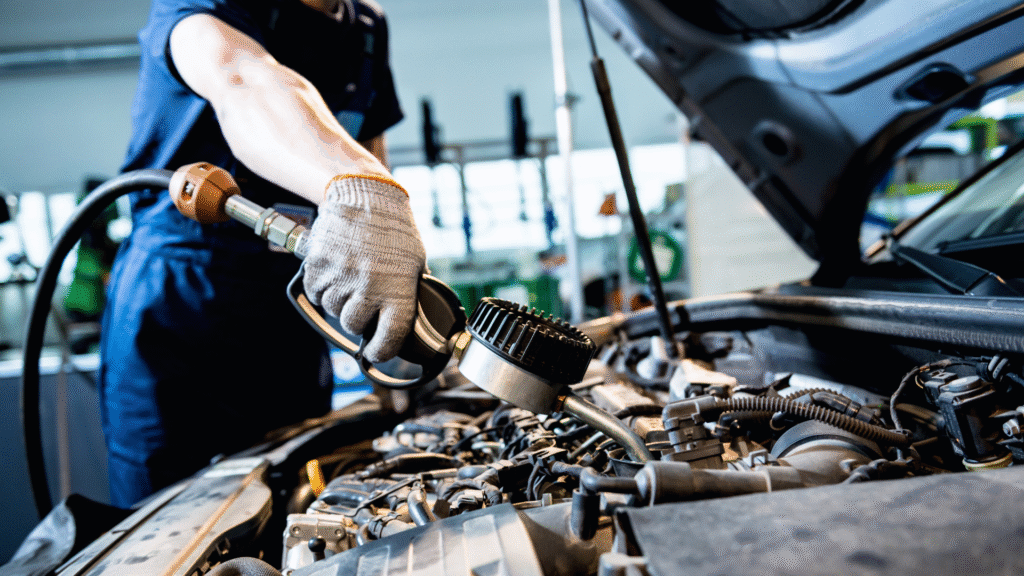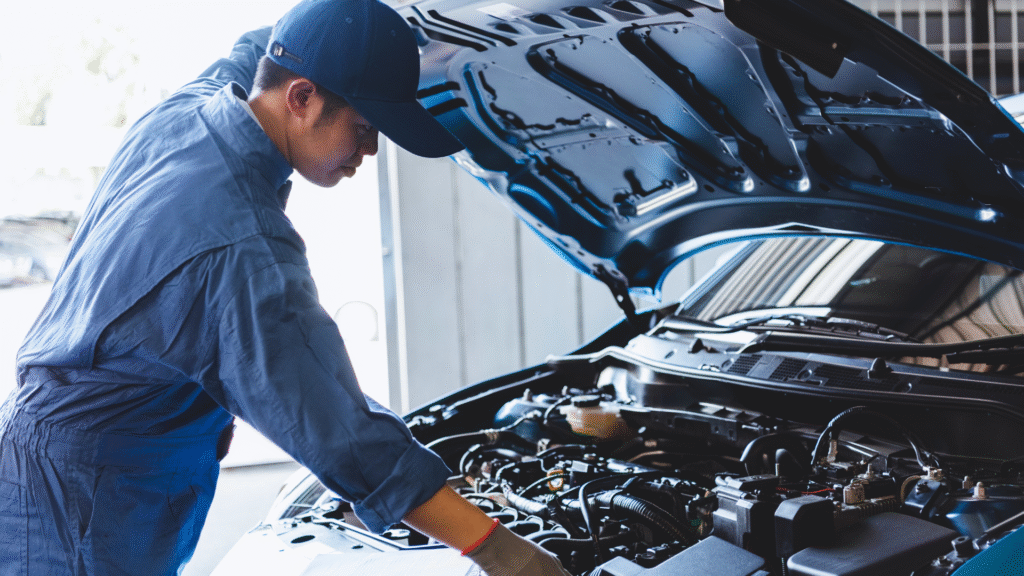


Keeping a vehicle running longer requires consistent care and attention to basic maintenance. Many drivers overlook small tasks that can significantly extend the life of their car.
Regular oil changes, timely fluid checks, and proper tire maintenance are key to preventing costly repairs and ensuring optimal performance. Simple habits, like addressing minor issues early and following the manufacturer’s recommended service schedule, make a measurable difference.
Understanding how the vehicle operates and recognizing warning signs early helps owners avoid damage and maintain reliability. This approach not only saves money but also keeps a car on the road for many more years.
Follow a Proactive Maintenance Routine
Consistently maintaining a vehicle involves scheduled checks and timely replacements. Proper attention to fluids, belts, hoses, and air filters prevents breakdowns and keeps the engine running efficiently.
Stick to the Recommended Maintenance Schedule
Following the vehicle’s manufacturer’s maintenance schedule is critical. This includes regular oil changes at intervals specified in the owner’s manual, as fresh engine oil reduces wear.
Transmission fluid, brake fluid, coolant, and power steering fluid should be inspected and replaced according to the schedule. Neglecting these can cause significant component damage.
Ignoring scheduled service can lead to costly repairs. Professional inspections often detect issues early and help maintain fuel efficiency and engine health.
Monitor and Maintain Fluid Levels
Checking fluid levels regularly prevents unexpected failure. Engine oil should be kept at the recommended level and changed every 3,000 to 7,500 miles, depending on the vehicle.
Transmission fluid protects gears from wear; low levels can cause shifting problems. Brake fluid affects braking performance and should not be allowed to degrade or leak.
Coolant maintains engine temperature and prevents overheating. Power steering fluid ensures a smooth steering response. Regular checks and timely top-ups keep everything functioning properly.
Replace Belts, Hoses, and Air Filters Promptly
Belts and hoses transport essential fluids and power engine components. Cracks, fraying, or leaks in these parts signal the need for immediate replacement to avoid breakdowns.
Air filters influence engine efficiency by ensuring clean airflow. Dirty or clogged filters reduce fuel economy and engine power.
Replacing these parts promptly according to wear and maintenance guidelines maintains optimal operation and prevents damage to the engine or ancillary systems.
Optimize Everyday Driving Habits
Careful changes in daily driving routines can reduce wear on vehicle components and improve fuel efficiency. Adopting specific behaviors like avoiding rapid acceleration and letting the engine warm up helps maintain the engine’s health and extends the vehicle’s life.
Drive Smoothly and Gently
Rapid acceleration and hard braking strain the engine, transmission, and brakes. Drivers who accelerate gradually and maintain steady speeds reduce stress on moving parts, which lowers maintenance costs over time.
Gentle driving also improves fuel efficiency by up to 15%. Keeping a safe distance from other vehicles allows for smoother stops and reduces unnecessary deceleration. Using cruise control on highways helps maintain a consistent speed and saves fuel.
Warm Up the Engine Before Heavy Use
Allowing the vehicle to idle for 1-2 minutes before driving hard helps the engine reach optimal temperature. Cold engines have thicker oil, which does not lubricate as effectively, increasing wear on parts.
Warming up prevents sudden stress on the engine and transmission. This is especially important in colder climates, where metal parts contract and fluids are less effective. Avoid long idling, though, to prevent wasted fuel and emissions.
Avoid Short Trips Frequently
Short trips prevent the engine from reaching its ideal operating temperature. This leads to incomplete fuel combustion and buildup of deposits in the engine and exhaust system.
Frequent short trips also reduce fuel efficiency and increase wear on the starter motor and battery. Combining errands into longer drives helps the engine fully warm up, improving performance and reducing maintenance needs.
Stay Attentive to Warning Signs and Key Components
Recognizing and addressing vehicle warning signs early can prevent costly repairs. Paying attention to specific parts like the ignition system also helps maintain smooth engine performance.
Check and Address Dashboard Warning Lights
Dashboard warning lights signal potential issues. The check engine light is critical and appears for various reasons, from loose gas caps to serious engine faults.
When this light comes on, the vehicle should be scanned with a diagnostic tool immediately. Ignoring the check engine light can worsen engine damage and reduce fuel efficiency.
Other important warning lights include battery, oil pressure, and temperature indicators. Each denotes a vital system’s condition. Promptly responding to these alerts ensures safe operation and avoids breakdowns.
Maintain Spark Plugs and Ignition Components
Spark plugs ignite the air-fuel mixture in the engine. Worn or fouled spark plugs reduce performance and increase emissions.
Regular inspection every 30,000 to 50,000 miles helps identify wear like corrosion or carbon buildup. Replacing spark plugs restores smooth idling and better fuel economy.
Ignition wires, coils, and related parts should also be checked. Damaged or weak components cause misfires and hard starts. Keeping these in good condition supports consistent engine power and longevity.
Prioritize Tire Care and Vehicle Balance
Maintaining proper tire condition and balance is essential for vehicle longevity and safety. Regular checks and maintenance prevent uneven wear, improve fuel efficiency, and protect suspension components.
Monitor Tire Pressure Regularly
Proper tire pressure is critical to avoid uneven wear and reduce strain on the vehicle. Tires that are underinflated or overinflated can cause poor fuel economy and increase the risk of tire failure.
They should be checked at least once a month, using a reliable pressure gauge. The recommended pressure is usually found on the driver’s door jamb or in the owner’s manual.
Pressure should be measured when tires are cold for accuracy. Adjust tire pressure to match manufacturer guidelines, especially before long drives or when carrying heavy loads. Consistent monitoring extends tire life and maintains proper vehicle balance.
Rotate Tires to Ensure Even Wear
Tire rotation involves moving tires from one position to another to promote even tread wear. Front and rear tires wear differently due to steering, braking, and power distribution, so regular rotation balances out those effects.
Most manufacturers recommend tire rotations every 5,000 to 8,000 miles. This schedule aligns with routine oil changes, making it easier to remember.
Using a standard rotation pattern, such as front-to-rear or cross pattern, helps maintain uniform tire wear. Proper rotation protects against premature tire replacement and supports stable handling and traction across all wheels.