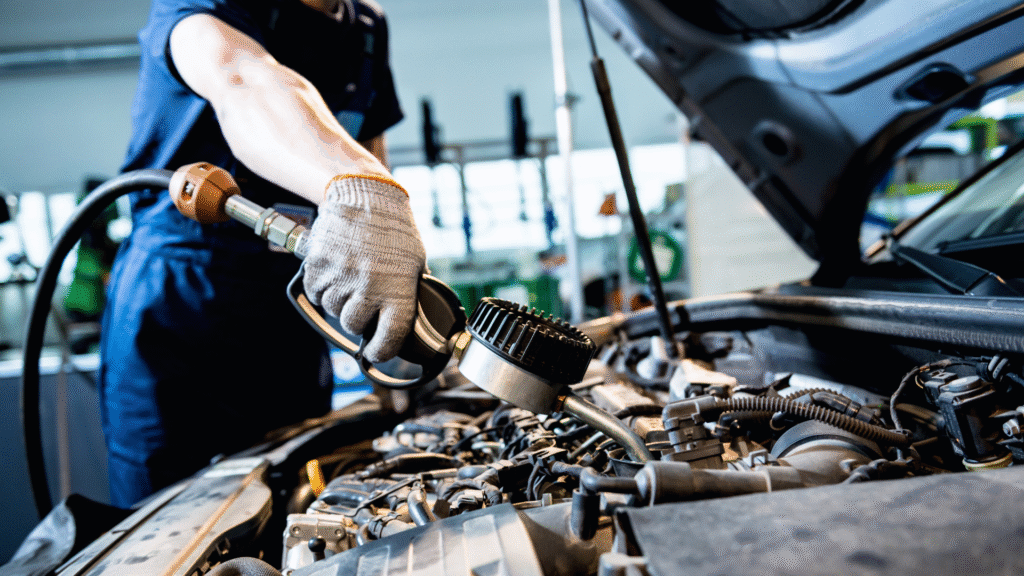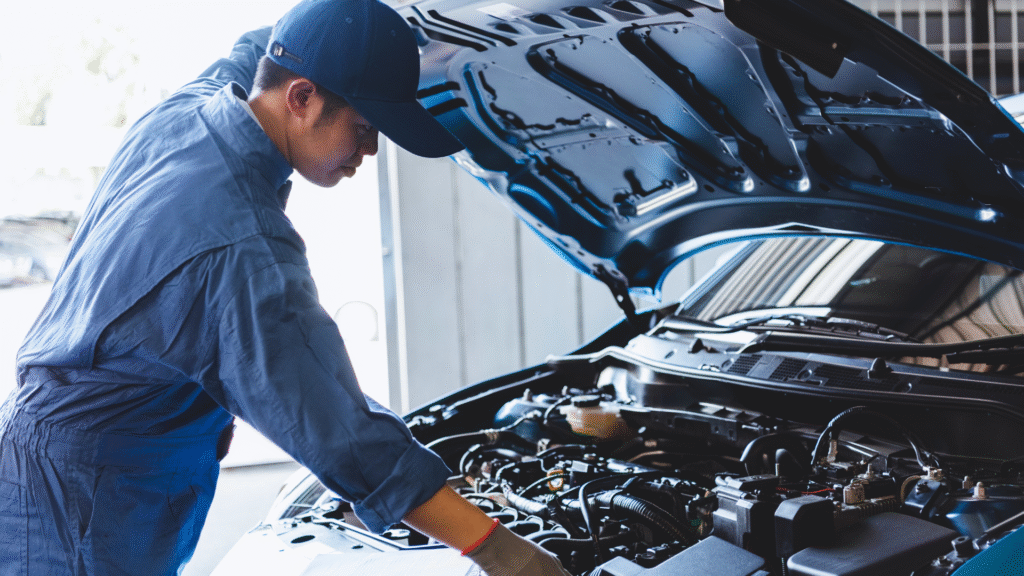


Creating a simple car maintenance checklist helps keep a vehicle running smoothly and prevents costly repairs. It focuses on key tasks like checking oil levels, tire pressure, and brake conditions regularly.
A basic checklist includes inspecting fluids, tires, brakes, lights, and the battery to ensure the car is safe and efficient. This straightforward approach saves time and helps prioritize essential maintenance without overwhelming details.
Using this checklist, anyone can maintain their vehicle systematically, reducing the chances of unexpected breakdowns. It encourages a routine that makes car care manageable for all drivers.
Essential Components of a Simple Car Maintenance Checklist
A practical car maintenance checklist focuses on key vehicle areas to ensure safety and performance. Regular checks help detect issues early and maintain optimal operation.
Oil and Fluid Level Inspection
Checking oil and fluid levels is vital for engine health. Engine oil lubricates moving parts and reduces wear. The recommended interval for checking oil is at least once a month or before long trips.
Other essential fluids include coolant, brake fluid, transmission fluid, and power steering fluid. Each has a specific reservoir, usually marked with minimum and maximum indicators. Low fluid levels can lead to overheating, braking failure, or steering problems.
Using the correct fluid type for each system according to the vehicle manual is essential. He or she should look for fluid discoloration or contamination and replace fluids as per manufacturer guidelines.
Tire Condition and Pressure Check
Tires affect handling, fuel efficiency, and safety. Visual tire inspection involves checking for signs of wear, cracks, bulges, or embedded objects. Uneven wear indicates possible alignment or suspension issues that require attention.
Tire pressure should be measured when tires are cold, using a reliable gauge. The recommended PSI (pounds per square inch) usually appears on a sticker inside the driver’s door or in the manual. Proper inflation improves tire life and fuel economy.
He or she must also check tread depth. Worn tread reduces traction, increasing accident risk, especially on wet roads. The legal minimum tread depth in many places is 2/32 of an inch.
Brake System Examination
Brakes are critical for safe driving and must be inspected regularly. The primary check is for brake pad thickness; worn pads should be replaced promptly to prevent rotor damage.
He or she should listen for unusual noises like squeaking or grinding, which may indicate worn components. Checking brake fluid level and quality is necessary since dirty or low fluid affects braking efficiency.
Visual inspection of discs and drums for cracks, deep grooves, or warping is essential. If the brake pedal feels spongy or requires excessive pressure, the system should be serviced immediately to avoid brake failure.
Routine Checklist Items for Reliability
Maintaining essential car components regularly ensures safer and smoother operation. Checking key systems like the battery, lights, and wipers prevents common breakdowns and visibility issues.
Battery Health Assessment
The battery should be inspected for corrosion on terminals, secure connections, and sufficient charge level. A voltmeter can measure voltage; readings below 12.4 volts typically indicate a weak battery.
Physical damage or swelling signals a failure risk and warrants replacement. Cleaning terminals with a wire brush improves conductivity.
It is recommended to test battery performance, especially before extreme weather seasons. Most batteries last 3-5 years, depending on usage and climate.
Light and Signal Functionality
All exterior lights—headlights, brake lights, turn signals, and hazard lights—must be tested regularly for proper operation. Non-functioning bulbs should be replaced immediately to comply with safety laws.
Check both high and low beams for brightness and focus. Signal lights should blink consistently without delay.
Cleaning the lenses of dirt and grime improves visibility. Use a checklist or assistive tools like smartphone apps designed to test car lights.
Windshield Wiper and Washer Review
Wipers should clear the windshield effectively without streaking or skipping. Inspect blades for cracks, tears, or stiffness and replace them every 6-12 months.
Ensure the windshield washer fluid reservoir is filled with the appropriate cleaning solution. Test the spray nozzles for proper coverage and adjust direction if needed.
Functionality directly affects visibility during rain or dirt accumulation, so maintaining this system is critical.
Seasonal and Mileage-Based Checklist Adjustments
Adjusting a car maintenance checklist based on the season and mileage is essential for optimal vehicle performance. Specific tasks like fluid changes and component inspections vary with weather conditions and usage patterns, ensuring safety and longevity.
Changing Fluids for Seasons
Fluids such as engine oil, coolant, and windshield washer fluid require changes or checks that correspond with seasonal temperature shifts. In colder months, switching to winter-grade oil can improve engine performance and protect against freezing.
Antifreeze levels should be inspected before winter to prevent overheating or freezing. Summer demands might call for replacing coolant with one designed for higher temperatures to avoid engine overheating.
Windshield washer fluid should be rated for freezing conditions in winter, while summer formulations focus on bug and dirt removal efficiency. Regular fluid checks ensure these systems function reliably throughout the year.
Inspecting Belts and Hoses
Belts and hoses are vulnerable to temperature fluctuations that cause expansion, contraction, and cracking. Cold weather makes rubber parts brittle, increasing the chance of cracks or breaks.
Warm weather accelerates wear through heat exposure, softening the rubber and causing leaks. Regular inspections before seasonal changes can help detect signs like fraying belts, lumps, or leaks in hoses.
Replacing worn components proactively reduces the risk of breakdowns. A visual check every 6,000 miles or biannually is recommended to maintain these parts in good condition.
Mileage-Driven Service Intervals
Certain maintenance tasks should be scheduled according to mileage for effective vehicle care. Oil changes are typically due every 3,000 to 7,500 miles, depending on the oil type and driving conditions.
Brake pad inspections are advisable every 10,000 to 20,000 miles. Tire rotations are usually recommended every 5,000 to 7,000 miles to ensure even wear.
Timing belt replacement varies by make but often occurs between 60,000 and 100,000 miles. Tracking mileage-based services prevents premature wear and maintains safety standards.