
Car ownership comes with responsibilities, and understanding how to maintain a vehicle can save time and money. DIY car maintenance empowers owners to take control of their automotive care and extends the life of their vehicles. Simple tasks like changing the oil, checking tire pressure, and replacing filters can be done at home, making it easier than ever to keep a car in top condition.
An essential aspect of automotive education is learning the basics of vehicle upkeep. Knowledge about proper maintenance leads to better performance and safety on the road. Engaging in DIY maintenance not only provides practical skills but also fosters a deeper connection with the vehicle.
However, certain tasks are best left to professionals, especially those that require technical expertise or specialised equipment. For instance, if a vehicle’s alloy wheels have damaged or worn coatings, a professional can restore them using products like an alloy wheel paint stripper to safely and thoroughly remove the old finish.
Since professionals are equipped with the right tools and knowledge, the results tend to be more reliable and long-lasting compared to what DIY methods can achieve. That said, DIY can still be a great option for smaller, less complex projects, allowing individuals to gain hands-on experience and save on costs.
By embracing DIY car maintenance, individuals can navigate their car ownership journey with confidence. Whether a novice or more experienced, anyone can implement these tips to enhance their automotive knowledge and skills.
Understanding Your Car’s Basics
Familiarity with a vehicle’s key components and recommended practices can significantly enhance maintenance efforts. Knowing how to decode the owner’s manual and which tools are essential makes DIY maintenance more manageable.
Decoding the Owner’s Manual
The owner’s manual is an invaluable resource that provides a wealth of information. This document includes specifics about service intervals, maintenance schedules, and capacities for fluids such as oil and coolant.
Key sections to note include:
- Maintenance Schedule: Lists recommended service intervals.
- Fluid Capacities: Indicates how much oil, brake fluid, and coolant the vehicle requires.
- Error Codes: Often includes a section for common diagnostic trouble codes, which are crucial for troubleshooting.
Understanding these details helps in creating a proactive maintenance routine, ensuring the vehicle remains in good condition.
Essential Tools for DIY Maintenance
Equipping oneself with the right tools is critical for effective car maintenance. Some indispensable tools include:
- Code Reader: Helps diagnose engine issues by retrieving error codes from the vehicle’s computer.
- Basic Tool Kit: Includes wrenches, screwdrivers, pliers, and sockets.
- Fluid Change Supplies: Oil filter wrench, oil catch basin, and funnels.
Having these tools on hand allows one to conduct repairs and routine maintenance efficiently. Regular use of these tools can lead to better car performance and longevity.
Regular Maintenance and Inspection
Routine checks and maintenance can significantly extend a vehicle’s life and enhance safety. Careful attention to fluids, tires, wipers, and battery health can prevent breakdowns and lower repair costs over time.
Checking and Changing Fluids
Regularly checking and changing car fluids is essential for optimal vehicle performance. Key fluids include engine oil, coolant, transmission fluid, brake fluid, and power steering fluid.
- Engine Oil: Change every 5,000 to 7,500 miles. This maintains engine health and reduces wear.
- Coolant: Inspect levels every six months. Refill or replace as necessary to prevent overheating.
- Brake Fluid: Check against the manufacturer’s schedule. Low levels can result in brake failure.
- Transmission Fluid: Inspect according to the owner’s manual. Fresh fluid ensures smooth gear changes.
Knowing how to add washer fluid is also essential. Use a mixture of water and washer fluid to keep windshields clear. Regular fluid checks can save money on repairs.
Monitoring Tire Pressure and Tread
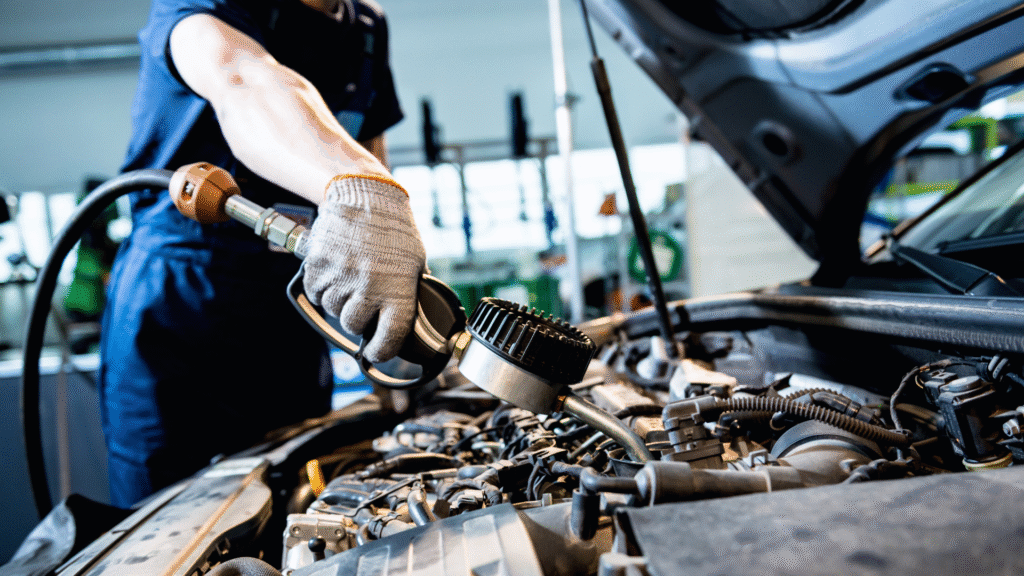
Tire maintenance is crucial for safety and fuel efficiency. Proper tire pressure can improve fuel consumption and handling.
- Check Tire Pressure: Use a gauge to verify pressure once a month. Correct pressure is stated on the driver’s side door jamb or in the owner’s manual.
- Monitoring Tread Depth: The penny test is effective; insert a penny into the tread. If Lincoln’s head is visible, it’s time for new tires.
Maintaining proper pressure and tread depth not only enhances safety but also helps save on fuel costs. Regular tire maintenance prevents uneven wear and extends tire life.
Replacing Wipers for Clear Vision
Wiper blades are critical for clear visibility in adverse weather. Over time, they can degrade and lose effectiveness.
- Check Wipers Regularly: Inspect wipers for tears, cracks, or skipping. Replace them every six to twelve months.
- Adding Washer Fluid: Ensure the washer reservoir is full, especially before winter driving. Using a quality washer fluid keeps the windshield clean.
Investing time in replacing wiper blades can improve visibility and safety. Ignoring worn wipers can lead to accidents in poor weather conditions.
Inspecting and Replacing the Car Battery
A well-functioning battery is vital for starting the vehicle and powering accessories. Regular inspection can prevent unexpected failures.
- Check Battery Health: Look for corrosion on terminals and ensure connections are tight. Clean any build-up with a mixture of baking soda and water.
- Battery Life: Most batteries last 3 to 5 years. If the battery shows signs of weakness, such as slow starts or dim lights, it may be time for a replacement.
Replacing a failing battery can prevent inconvenient breakdowns and save on costly towing fees. Regular checks ensure reliable performance throughout the year.
DIY Repairs and Replacements
Routine maintenance can significantly enhance vehicle performance and longevity. Specific repairs and replacements can be managed at home, improving both understanding and capability in car maintenance.
Changing Air Filters for Efficiency
Replacing air filters is crucial for optimum engine performance. The engine air filter traps dirt and debris, ensuring clean air enters the engine, which directly affects fuel efficiency.
To change the engine air filter, follow these steps:
- Locate the air filter housing.
- Unclip or unscrew the cover.
- Remove the old filter and install a new one, ensuring it fits securely.
- Reattach the housing cover.
Regular replacement every 12,000 to 15,000 miles can lead to better gas mileage and enhanced performance.
Headlight and Bulb Replacements
Ensuring adequate visibility requires functioning headlights. Replacing headlights and other bulbs is a straightforward DIY task.
- Identify the burnt-out bulb by checking all lights.
- For headlights, access the back of the headlight assembly after removing any covers.
- Twist or pull the old bulb to remove it and replace it with a new one, ensuring proper orientation.
- For non-headlight bulbs, locate the burnt bulb and replace it similarly.
Regular checks can prevent visibility issues, enhancing night driving safety.
Dealing with Brakes and Brake Pads
Brake maintenance is critical for vehicle safety. Replacing brake pads involves assessing wear and can be tackled with the right tools and understanding.
- Raise the vehicle and secure it on jack stands.
- Remove the wheel to access the brake caliper.
- Unbolt the caliper and remove the pads.
- Insert new brake pads and reassemble the caliper and wheel.
Checking brake pads every 20,000 miles can help in identifying wear early, ensuring safety and performance.
Minor Electrical System Repairs
Basic electrical repairs can resolve common issues such as dim lights or dead batteries. Understanding circuits and connections is essential for these repairs.
- Diagnose problems using a multimeter to check voltage.
- Replace fuses or bulbs as necessary by locating the fuse box.
- Inspect wiring for any visible damage, and repair minor issues with electrical tape or connectors.
By addressing minor electrical matters promptly, vehicle reliability can be maintained, minimizing larger future repairs.
When to Seek Expert Help
While some minor repairs and replacements can be tackled independently, certain vehicle tasks require professional expertise to ensure they are completed safely and effectively. For instance, seat belt webbing replacement is a crucial repair that should always be performed by a certified technician. Since worn or frayed seat belts often lose their protective function, it is important to have them replaced by an expert who can guarantee they meet safety standards and will perform correctly in an emergency.
Similarly, brake system repairs should be left to specialists. The brake system typically involves intricate components such as calipers, rotors, and brake fluid, all requiring precise calibration to ensure the vehicle stops efficiently. Certified professionals tend to have the knowledge and tools to accurately assess and repair these components, maintaining the safety of both drivers and passengers.
Ultimately, ensuring that complex repairs are carried out by qualified professionals from a reputable Auto Body Repair shop helps prevent costly mistakes and enhances the longevity of the vehicle. Therefore, when in doubt, seeking expert help is often the best way to keep a car in top condition.
Preparing Your Vehicle for the Long Haul
Long road trips require thorough preparations to ensure safety and performance. Addressing key maintenance issues can help prevent roadside troubles and reduce wear and tear.
Pre-Trip Inspection Checklist
A comprehensive pre-trip inspection can make a significant difference. Check the following components:
- Fluids: Inspect oil, coolant, brake fluid, and windshield washer fluid levels. Top them off if needed.
- Battery: Look for corrosion around terminals and ensure connections are secure.
- Lights: Test headlights, taillights, turn signals, and brake lights.
- Wipers: Ensure windshield wipers are functioning and replace them if they leave streaks.
- Brakes: Look for signs of wear and listen for any unusual noises while braking.
Performing this checklist helps catch potential issues before setting off on a long trip.
Addressing Uneven Tire Wear
Uneven tire wear affects vehicle handling and safety during long trips. Regular maintenance can mitigate this issue:
- Tire Rotation: Rotate tires every 5,000 to 7,500 miles to promote even wear.
- Inflation: Check tire pressure monthly and ensure they are inflated to the manufacturer’s specifications.
- Alignment: Misalignment can lead to uneven wear. Schedule a wheel alignment if the vehicle pulls to one side or if new tires are installed.
- Visual Inspection: Look for worn tread patterns. Replace tires that show significant uneven wear.
- Basic Tire Maintenance: Maintain a proper balance to extend tire life and improve handling.
Taking these steps not only prolongs tire longevity but also enhances driving safety.